Buy Amoxicillin Online – Safe Prescription Access from Licensed Medical Vendors
| Product Name: | Amoxicillin |
|---|---|
| Dosage: | 250 mg, 500 mg |
| Price: | $39.50 |
| Where To Buy Online | OnlinePharmacy |
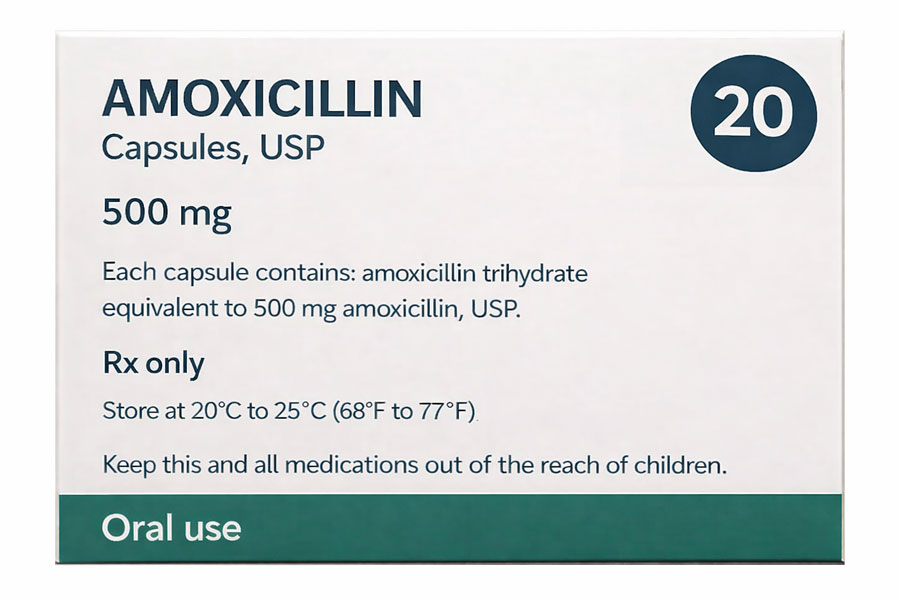
Amoxicillin - systemic antibiotic with wide spectrum of antibacterial activity
Amoxicillin occupies a distinguished position among systemic antibacterial agents as a semi-synthetic aminopenicillin that elegantly combines broad-spectrum activity with excellent oral bioavailability. Developed to improve upon the limitations earlier penicillins, it offers reliable coverage of many gram-positive and gram-negative organisms that dominate community-acquired infections. Its chemical structure, derived from the core 6-aminopenicillanic acid nucleus, incorporates a side chain that enhances penetration through gram-negative outer membranes while preserving high affinity for penicillin-binding proteins in gram-positive bacteria. This carefully engineered balance between spectrum and potency has allowed amoxicillin to become a foundational antibiotic across diverse clinical disciplines.
One of the hallmarks of amoxicillin is its outstanding absorption profile following oral administration, which distinguishes it from several older penicillins. High oral bioavailability ensures that predictable systemic concentrations are achieved across a wide range of ages and physiological states, supporting confident use in both acute and chronic infectious settings. Food has minimal impact on its absorption, allowing dosing to be aligned with daily routines without complex timing requirements. This pharmacokinetic reliability, combined with flexible dosing schedules, contributes to excellent adherence and makes amoxicillin a practical choice in real-world conditions where therapeutic success depends not only on antibacterial potency but also on consistent intake.
The antibacterial spectrum of amoxicillin includes many clinically important pathogens such as Streptococcus pneumoniae, Streptococcus pyogenes, Enterococcus faecalis, non–beta-lactamase-producing strains of Haemophilus influenzae, and a range of Enterobacterales with intrinsic susceptibility. This breadth enables amoxicillin to address infections of the respiratory tract, ear, sinuses, urinary system, skin, and soft tissues with a single well-characterized molecule. While resistance mediated by beta-lactamases and altered penicillin-binding proteins has emerged in some species, amoxicillin retains impressive utility in numerous scenarios where local susceptibility remains favorable. Its role as a backbone agent in community practice underscores the enduring relevance of its spectrum in an era of escalating antimicrobial resistance.
Another defining strength of amoxicillin lies in its safety and tolerability profile, which has been extensively documented over decades of widespread use in both adults and children. Adverse reactions are generally infrequent and mild, with gastrointestinal discomfort and transient rash among the more common events. The extensive clinical experience accumulated worldwide has generated a robust body of data regarding its use in pregnancy, lactation, and pediatrics, reinforcing confidence in its safety across sensitive life stages when prescribed appropriately. This depth of real-world evidence sets amoxicillin apart from many newer agents that lack comparable longitudinal safety data.
From a public health perspective, amoxicillin serves as a cornerstone oral antibiotic in primary care, emergency settings, and outpatient specialty practice. Its inclusion in multiple essential medicines lists reflects not only its clinical effectiveness but also its affordability, global availability, and manufacturing robustness. Formulations ranging from dispersible tablets and capsules to flavored suspensions extend its reach to populations with varied needs and swallowing abilities. When deployed within thoughtful antimicrobial stewardship frameworks, amoxicillin functions as a high-value, high-impact therapeutic resource that supports both individual recovery and rational use of antibiotics on a population scale.
Key pharmacological characteristics of Amoxicillin
The pharmacological profile of amoxicillin is defined by rapid absorption, extensive distribution in extracellular fluid, and predominantly renal elimination, all of which contribute to its predictable behavior in clinical use. After oral administration, peak plasma concentrations are typically achieved within one to two hours, reflecting efficient uptake from the gastrointestinal tract. This rapid attainment of therapeutic levels is particularly advantageous in acute infections where early bacterial suppression can influence symptom trajectory and complication risk. The linearity of its pharmacokinetics across the usual dosing range further simplifies regimen design, as dose adjustments lead to proportionate changes in exposure.
Amoxicillin distributes widely into interstitial spaces and body fluids, including respiratory secretions, middle ear effusions, sinus mucosa, and urinary tract compartments. This diffusion into target tissues underpins its strong performance in respiratory, otologic, and urinary infections, where adequate local drug concentrations are essential for bacterial eradication. Protein binding is relatively low, leaving a substantial free fraction available to exert antibacterial effects at the site of infection. Although penetration into certain sanctuary sites such as the central nervous system is limited under normal conditions, inflammation can enhance entry, broadening its applicability in specific scenarios when combined with appropriate dosing strategies.
The elimination of amoxicillin occurs primarily via the kidneys, with a significant proportion excreted unchanged in the urine through glomerular filtration and tubular secretion. This renal handling results in high urinary concentrations that exceed plasma levels by a wide margin, making the drug particularly effective for susceptible lower urinary tract infections. The elimination half-life in individuals with normal renal function is relatively short, typically around one hour, which supports multiple daily dosing schedules designed to maintain plasma and tissue levels above the minimum inhibitory concentration for target pathogens. In renal impairment, clearance is reduced and half-life is prolonged, necessitating thoughtful dose adjustment to balance efficacy with safety.
Metabolism of amoxicillin is minimal, and the parent compound is responsible for the overwhelming majority of antibacterial activity. This metabolic simplicity reduces the likelihood of clinically significant drug-drug interactions mediated by hepatic enzyme systems, setting amoxicillin apart from many agents that undergo extensive biotransformation. While interactions can still occur via other mechanisms, such as competition for renal tubular secretion or alterations in gut flora affecting the absorption of concomitant drugs, these are comparatively limited. The absence of active metabolites also simplifies interpretation of pharmacokinetic data and supports predictable exposure across diverse patient populations.
From a pharmacodynamic perspective, amoxicillin exhibits time-dependent killing, meaning that its efficacy correlates most strongly with the duration that drug concentrations remain above the minimum inhibitory concentration (T>MIC) for the pathogen. This characteristic informs dosing strategies that prioritize regular administration intervals to keep plasma and tissue levels continuously above critical thresholds. The combination of time-dependent pharmacodynamics, rapid absorption, and short half-life explains the traditional use of two- or three-times-daily dosing schedules. When these pharmacokinetic and pharmacodynamic principles are respected, amoxicillin delivers consistent, reliable antibacterial activity that aligns with the needs of common community-acquired infections.
Mechanism of action of Amoxicillin and its effect on bacterial cell walls
Amoxicillin exerts its antibacterial effect by targeting the bacterial cell wall, a structural framework that is essential for maintaining cell shape, osmotic stability, and viability. As a beta-lactam antibiotic, it contains a four-membered beta-lactam ring that mimics the D-Ala-D-Ala terminus of peptidoglycan precursors, allowing it to interact with penicillin-binding proteins (PBPs). These PBPs are enzymes responsible for the final stages of peptidoglycan cross-linking, a process that confers mechanical strength and rigidity to the bacterial cell wall. By forming a covalent bond with PBPs, amoxicillin irreversibly inactivates them, disrupting cell wall synthesis at a critical juncture.
The inhibition of PBPs by amoxicillin leads to a cascade of structural and biochemical events within the bacterial cell. As synthesis of new peptidoglycan strands is blocked and existing cross-links are not properly formed, the cell wall becomes progressively weaker and more susceptible to osmotic stress. Autolytic enzymes, which are normally involved in remodeling the cell wall during growth and division, continue to function unopposed, further degrading structural elements. This imbalance between synthesis and degradation culminates in cell lysis, particularly in actively dividing bacteria where cell wall turnover is most pronounced. The net result is a bactericidal effect that clears susceptible organisms from the infection site.
- Covalent binding to penicillin-binding proteins interferes with peptidoglycan cross-linking.
- Disruption of cell wall integrity triggers autolytic enzyme activity and bacterial lysis.
- Time-dependent killing favors sustained exposure above the minimum inhibitory concentration.
- Selective toxicity arises from the absence of peptidoglycan in mammalian cell membranes.
Selective toxicity is a defining advantage of amoxicillin’s mechanism of action, as mammalian cells lack peptidoglycan and the associated PBPs targeted by beta-lactams. This fundamental biological difference allows amoxicillin to exert potent antibacterial activity without damaging host cell membranes or structural frameworks. The specificity of its action contributes to a favorable safety profile, particularly when compared with agents that interfere with more conserved processes such as protein or DNA synthesis. This selectivity has been a major factor in the long-standing trust placed in amoxicillin for treating infections in vulnerable populations, including infants and pregnant individuals, when used appropriately.
Bacterial resistance mechanisms can compromise the effectiveness of amoxicillin by interfering with its access to PBPs or by modifying the target itself. Production of beta-lactamases, enzymes that hydrolyze the beta-lactam ring, represents a common strategy among gram-negative and some gram-positive organisms, rendering the drug inactive before it reaches its site of action. Alterations in PBPs, such as those seen in penicillin-resistant pneumococci or methicillin-resistant staphylococci, reduce binding affinity and diminish susceptibility. Despite these challenges, many pathogens remain fully or partially sensitive to amoxicillin, particularly in regions with judicious antibiotic use and robust stewardship efforts that slow the spread of resistance determinants.
The time-dependent nature of amoxicillin’s killing reinforces the importance of maintaining concentrations above the minimum inhibitory concentration for as long as possible during each dosing interval. This pharmacodynamic requirement shapes clinical strategies that prioritize regular, evenly spaced dosing and, in some cases, higher-frequency administration for severe infections. By aligning dosing schedules with the mechanistic demands of cell wall inhibition and bacterial lysis, therapy can maximize the bactericidal potential of amoxicillin. When these principles are integrated into treatment planning, the drug’s mechanism of action translates into rapid bacterial clearance, resolution of inflammatory signs, and restoration of tissue function in a wide variety of infections.
Clinical scenarios in which Amoxicillin remains a first-line therapy
Amoxicillin continues to serve as a first-line therapy in numerous clinical scenarios where its spectrum, safety, and pharmacokinetics align with the dominant pathogens and disease patterns. Uncomplicated community-acquired respiratory tract infections, such as streptococcal pharyngitis and many cases of acute otitis media, are prime examples where amoxicillin is frequently prioritized. In these conditions, Streptococcus pyogenes and non-resistant Streptococcus pneumoniae remain highly susceptible, and the drug’s excellent penetration into pharyngeal tissues and middle ear fluid supports robust bacterial eradication. The extensive clinical experience with amoxicillin in these indications has generated a wealth of outcome data that consistently validates its first-line status.
Another major domain where amoxicillin retains first-line prominence is acute bacterial sinusitis, particularly in settings where resistance rates among common pathogens remain moderate. Streptococcus pneumoniae and non–beta-lactamase-producing Haemophilus influenzae are frequent culprits, and amoxicillin’s pharmacokinetics ensure effective concentrations within sinus mucosa and secretions. Short to moderate course regimens can achieve high clinical cure rates, relieve facial pain and congestion, and reduce the risk of complications such as orbital or intracranial extension. The drug’s favorable tolerability and accessibility make it a practical initial choice before considering broader-spectrum or combination therapies.
In the urinary tract, amoxicillin is considered a first-line option for selected lower urinary tract infections caused by susceptible Enterococcus faecalis and certain strains of Escherichia coli that have not acquired beta-lactamase-mediated resistance. High urinary concentrations achieved through renal excretion create an environment that is particularly hostile to these organisms. When susceptibility is confirmed or strongly expected based on local epidemiology, amoxicillin offers a targeted and well-tolerated approach that can resolve dysuria, frequency, and urgency while minimizing exposure to broader-spectrum agents. This targeted use supports stewardship goals by reserving more potent antibiotics for resistant or complicated cases.
| Clinical Scenario | Dominant Pathogens | Rationale for First-line Use | Key Advantages of Amoxicillin |
|---|---|---|---|
| Streptococcal pharyngitis | Streptococcus pyogenes | High susceptibility and extensive outcome data | Excellent efficacy, palatable formulations, narrow targeted spectrum |
| Acute otitis media | S. pneumoniae, non–beta-lactamase H. influenzae | Strong tissue penetration and safety in pediatrics | High middle ear levels, flexible dosing, broad pediatric experience |
| Acute bacterial sinusitis | S. pneumoniae, H. influenzae | Guideline endorsement where resistance is moderate | Effective mucosal penetration, cost-effectiveness, good tolerability |
| Selected lower urinary tract infections | E. faecalis, susceptible E. coli | High urinary concentrations and narrow targeted activity | Focused spectrum, minimal need for complex monitoring |
| Helicobacter pylori eradication (as combination) | H. pylori | Component of standard triple or quadruple regimens | Low resistance rates, synergy with acid suppression and macrolides |
Amoxicillin also plays a pivotal role in combination regimens for Helicobacter pylori eradication, where it is frequently selected as a core component due to low primary resistance rates and strong activity in the gastric environment when paired with acid suppression. In these protocols, amoxicillin works synergistically with proton pump inhibitors and additional antibiotics such as clarithromycin or metronidazole to disrupt bacterial survival mechanisms and clear infection. The inclusion of amoxicillin in these regimens reflects both its intrinsic potency against H. pylori and its excellent safety record, which is critical in multi-drug therapeutic courses.
In dental and maxillofacial infections, amoxicillin often stands as a first-line systemic agent for conditions such as odontogenic abscesses and periapical infections caused by susceptible streptococci and oral anaerobes. Its penetration into gingival crevicular fluid and surrounding soft tissues, combined with its activity against many oral flora, supports rapid improvement in pain, swelling, and local inflammation when used alongside appropriate local interventions. The availability of straightforward dosing and cost-effective formulations makes it a practical option in both routine dental practice and emergency management of acute oral infections.
Prophylactic applications further highlight clinical scenarios where amoxicillin retains first-line status, such as prevention of endocarditis in select at-risk individuals undergoing dental or invasive procedures, according to specific guideline criteria. The rapid onset of action, high peak levels, and excellent safety profile make amoxicillin suitable for single-dose prophylactic regimens that need to deliver reliable coverage during transient bacteremia. These carefully defined uses underscore how amoxicillin’s pharmacological strengths can be harnessed not only for active infection treatment but also for prevention of serious complications in vulnerable populations.
Access to Amoxicillin - what patients should know
Access to amoxicillin is shaped by its status as a prescription-only medicine in most healthcare systems, a classification designed to ensure that its use is guided by appropriate diagnostic assessment and risk-benefit evaluation. This framework helps align antibiotic exposure with genuine bacterial infections rather than self-limited viral illnesses, supporting both individual outcomes and broader antimicrobial stewardship. By requiring a structured consultation before dispensing, health systems encourage tailored selection of dose, duration, and formulation that reflect the nature of the infection, comorbid conditions, and potential drug interactions. Such oversight safeguards the long-term effectiveness of amoxicillin by reducing unnecessary or inappropriate consumption.
From a practical standpoint, amoxicillin is widely available in multiple oral formulations, including capsules, film-coated tablets, dispersible tablets, and flavored suspensions suitable for infants and children. This diversity allows therapy to be adapted to swallowing capabilities, age, and personal preferences, enhancing adherence and reducing barriers to consistent dosing. In many regions, both branded and generic versions coexist, offering a spectrum of price points that can accommodate different economic circumstances. The inclusion of amoxicillin in essential medicines lists and public procurement programs often further improves access, particularly in low- and middle-income settings where affordability is a critical determinant of treatment uptake.
Digital health technologies have begun to influence access pathways to amoxicillin, with telemedicine platforms and electronic prescription systems enabling remote assessment and prescribing in appropriate cases. These tools can expand access for individuals in rural or underserved areas who might otherwise face delays in obtaining care for acute infections. At the same time, remote prescribing models depend on robust clinical protocols and decision support to maintain high standards of diagnostic accuracy and stewardship. Thoughtful integration of telehealth with laboratory services and follow-up mechanisms helps ensure that amoxicillin use remains targeted and evidence-based, even when face-to-face consultations are not feasible.
Global inequities in medicine supply chains can affect the availability and reliability of amoxicillin, particularly during periods of increased demand or manufacturing disruption. International collaborations, pooled procurement initiatives, and regulatory harmonization efforts work to stabilize supplies and promote consistent quality across markets. When these systems function effectively, they protect against shortages that might otherwise force substitution with less optimal agents or encourage the use of informal distribution channels. Sustained availability of high-quality amoxicillin through regulated pharmacies and healthcare facilities is a key component of resilient infectious disease management strategies worldwide.
Concerns about counterfeit and substandard antibiotics highlight another dimension of access that directly impacts amoxicillin. In some regions, unregulated online vendors and informal markets distribute products that may contain incorrect active ingredient amounts, impurities, or degraded compounds due to improper storage. Such products risk treatment failure, adverse reactions, and acceleration of resistance by exposing bacteria to subtherapeutic concentrations. Reliable access to authentic amoxicillin from accredited pharmacies and verified supply chains is therefore fundamental to achieving the full therapeutic potential of the drug. Awareness of the importance of regulated sources can empower individuals to seek trustworthy channels for obtaining this vital antibiotic.
Generic Alternatives and International Brand Equivalents
The global success of amoxicillin has led to the development of a wide array of generic alternatives and brand-name equivalents, each designed to deliver the same active ingredient with comparable pharmacokinetic and clinical performance. Regulatory authorities typically require generics to demonstrate bioequivalence to a reference product, ensuring that peak concentrations and overall exposure fall within a defined equivalence range. This regulatory rigor provides confidence that, when manufactured according to good practice standards, generic amoxicillin products can be used interchangeably with originator brands in routine care. The result is a diverse marketplace in which therapeutic effectiveness is preserved while offering flexibility in pricing and sourcing.
Differences between branded and generic amoxicillin products usually reside in excipients, manufacturing processes, packaging, and presentation rather than in the active molecule itself. These variations can influence aspects such as tablet disintegration time, suspension palatability, and ease of dosing, which in turn may affect user experience and adherence. For example, flavored pediatric suspensions from different manufacturers can vary in taste, viscosity, and reconstitution instructions, leading families to develop preferences for certain brands. Transparent labeling, clear dosing devices, and stable formulations contribute significantly to real-world success, even when pharmacokinetic equivalence has already been established.
Economic considerations are central to the widespread adoption of generic amoxicillin, as lower acquisition costs enable health systems, insurers, and individuals to access high-quality treatment without financial strain. In many countries, generics form the backbone of antibiotic formularies, allowing broader coverage and reduced out-of-pocket expenditures. These savings can be redirected toward diagnostic services, monitoring, and stewardship programs that further enhance the quality of infectious disease care. When cost barriers are minimized, timely initiation and completion of appropriate amoxicillin courses become more achievable, translating into better outcomes at both individual and population levels.
| Product Type | Typical Formulations | Key Characteristics | Clinical Considerations |
|---|---|---|---|
| Originator brand | Capsules, tablets, pediatric suspensions | Extensive development data, global recognition | Often reference standard for bioequivalence studies |
| National generics | Tablets, capsules, locally produced suspensions | Approved via local regulatory pathways | Quality depends on adherence to good manufacturing practice |
| International brand equivalents | Region-specific trade names with standardized strengths | Marketed across multiple countries under different names | Bioequivalent to reference, requiring attention to naming conventions |
| Fixed-dose combinations | Amoxicillin with clavulanic acid | Extended spectrum via beta-lactamase inhibition | Reserved for infections where beta-lactamase producers are likely |
| Dispersible and pediatric-focused brands | Dispersible tablets, flavored suspensions | Designed for ease of use in children and swallowing difficulties | Palatability and dosing accuracy are key to adherence |
International brand equivalents of amoxicillin often carry different trade names across regions, even when they share identical strengths, formulations, and manufacturing origins. This diversity can create confusion when individuals move between countries or access care in different healthcare systems. Harmonized prescribing practices that emphasize the generic name "amoxicillin" help mitigate this challenge, allowing clear communication about the active ingredient regardless of brand labeling. Pharmacists and healthcare infrastructures play a central role in ensuring that substitutions between brands preserve dosage accuracy and formulation type, thereby maintaining therapeutic continuity.
Quality assurance remains a critical consideration in the selection and use of both generic and branded amoxicillin products. Robust regulatory oversight, regular batch testing, and adherence to international good manufacturing practice standards are essential to guarantee consistent potency, purity, and stability. Post-marketing surveillance, including pharmacovigilance and quality audits, further safeguards against variability that could compromise clinical outcomes. When quality systems function effectively, the choice between different amoxicillin brands becomes largely a matter of cost, availability, and user preference rather than concerns about efficacy, enabling flexible yet reliable antimicrobial therapy worldwide.
Indications for the use of Amoxicillin in respiratory tract infections
Amoxicillin is a mainstay in the management of a broad range of respiratory tract infections, owing to its strong activity against key pathogens and its ability to achieve therapeutic concentrations in respiratory tissues and secretions. In upper respiratory tract infections, it is frequently selected for streptococcal pharyngitis, acute otitis media, and many cases of acute bacterial sinusitis, where Streptococcus pyogenes and susceptible Streptococcus pneumoniae predominate. Its time-tested efficacy in these indications, supported by extensive clinical trials and decades of practice, has solidified its role as a trusted agent for resolving sore throat, ear pain, and sinus pressure caused by susceptible bacteria.
In lower respiratory tract infections, amoxicillin plays a pivotal role in treating community-acquired pneumonia and acute exacerbations of chronic bronchitis when the likely pathogens fall within its spectrum. Streptococcus pneumoniae remains a central target, and in areas where resistance rates are manageable, amoxicillin delivers strong bactericidal activity against pneumococcal strains that drive many cases of lobar and bronchopneumonia. Its penetration into bronchial secretions and alveolar spaces ensures that the concentration at the site of infection is sufficient to suppress bacterial replication and promote clinical recovery. When combined with appropriate dosing strategies, this tissue exposure translates into high cure rates in susceptible infections.
- Management of streptococcal pharyngitis with documented or strongly suspected group A streptococcal etiology.
- Treatment of acute otitis media and sinusitis driven by susceptible respiratory pathogens.
- Use in community-acquired pneumonia where pneumococcal susceptibility to aminopenicillins remains favorable.
- Therapy for acute exacerbations of chronic bronchitis linked to non–beta-lactamase-producing organisms.
Pediatric respiratory infections represent a domain where amoxicillin’s role is particularly prominent, supported by child-friendly formulations and an excellent safety record. Otitis media, sinusitis, and lower respiratory infections such as lobar pneumonia in children often involve organisms that are predictably susceptible to amoxicillin, making it a logical first-line choice. Flavored suspensions and dispersible tablets simplify administration, and weight-based dosing allows precise tailoring of exposure to developmental needs. This combination of efficacy, safety, and practicality has made amoxicillin one of the most frequently prescribed antibiotics in pediatric respiratory care worldwide.
In adult populations, amoxicillin is often preferred when a narrow but appropriately targeted spectrum is desired, especially in cases where broader-spectrum agents would offer little incremental benefit but carry greater ecological or adverse effect burdens. For example, in otherwise healthy adults with uncomplicated pneumococcal pneumonia and no risk factors for resistant organisms, amoxicillin can deliver excellent outcomes without resorting to agents that exert more intense selection pressure on the microbiome. This targeted approach aligns with stewardship principles by matching the antibiotic to the most likely pathogens while preserving broader-spectrum options for more complex or resistant infections.
Chronic respiratory conditions such as bronchiectasis and chronic obstructive pulmonary disease occasionally call for repeated courses of antibiotics to manage infectious exacerbations. In individuals whose sputum cultures reveal susceptibility to amoxicillin, the drug can serve as a reliable option for episodic treatment. Its predictable pharmacokinetics and well-characterized safety profile facilitate repeated short courses when clinically justified, while stewardship frameworks help ensure that such use is balanced against the risk of resistance development. When integrated into a comprehensive management plan that includes vaccination, airway clearance, and risk factor modification, amoxicillin contributes meaningfully to maintaining respiratory stability.
The role of Amoxicillin in the treatment of acute bacterial sinusitis
Acute bacterial sinusitis is a frequent clinical problem, often arising as a complication of viral upper respiratory infections when secondary bacterial overgrowth occurs in obstructed sinus cavities. Amoxicillin has long been recognized as a primary systemic agent for this condition, particularly in regions where resistance among Streptococcus pneumoniae and Haemophilus influenzae remains at manageable levels. Its pharmacokinetic profile, characterized by reliable oral absorption and extensive distribution into sinus mucosa and secretions, underpins its capacity to reach therapeutic concentrations within inflamed and congested sinus tissues. These properties allow amoxicillin to address both the microbial burden and the inflammatory cascade driving sinus symptoms.
The typical bacterial culprits in acute sinusitis include S. pneumoniae, H. influenzae, and Moraxella catarrhalis, with the first two commonly susceptible to amoxicillin in many epidemiological settings. By inhibiting cell wall synthesis in these organisms, amoxicillin promotes rapid reduction in bacterial load, which in turn helps normalize mucociliary function and restore sinus drainage. Clinical improvements such as reduced facial pain, decreased nasal discharge, and alleviation of headache often parallel microbiological clearance. When initiated appropriately in cases with strong evidence of bacterial involvement, amoxicillin-based therapy can shorten illness duration, prevent complications, and reduce the need for more invasive interventions.
- Targeted activity against dominant sinus pathogens in many community settings.
- Excellent penetration into sinus mucosa and secretions supporting local bacterial eradication.
- Flexible dosing regimens that can be tailored to severity and local resistance profiles.
- Favorable tolerability in both adults and children with acute sinus disease.
Dosing strategies for acute bacterial sinusitis typically employ moderate to high doses of amoxicillin, with duration tailored to symptom severity, risk factors, and regional resistance data. Shorter courses may suffice in mild to moderate disease when early response is observed, while more prolonged therapy may be considered in cases with delayed improvement or higher risk of complications. The time-dependent killing of amoxicillin favors regular dosing intervals that maintain concentrations above the minimum inhibitory concentration for the dominant pathogens throughout the day. When these pharmacodynamic principles are respected, clinical and radiographic resolution of sinus inflammation is commonly achieved.
In pediatric sinusitis, amoxicillin stands out due to its extensive safety data, palatable suspension formulations, and compatibility with weight-based dosing that accounts for developmental pharmacokinetics. Children with persistent or severe sinus symptoms following viral upper respiratory infections often benefit from appropriately dosed amoxicillin regimens that target the same core pathogens seen in adults. The ability to deliver effective therapy through flavored suspensions facilitates administration and adherence in younger age groups, thereby enhancing the likelihood of full course completion and durable symptom resolution. This pediatric suitability has contributed significantly to amoxicillin’s enduring prominence in sinusitis management.
Stewardship considerations increasingly shape the use of amoxicillin in acute bacterial sinusitis, with guideline recommendations emphasizing careful differentiation between viral and bacterial etiologies. When diagnostic criteria for bacterial involvement are met, amoxicillin offers a focused, evidence-backed option that avoids unnecessary exposure to broader-spectrum agents. In regions where beta-lactamase-producing organisms or highly resistant pneumococci are prevalent, dosing strategies or alternative agents may be adjusted accordingly, but amoxicillin often remains a key component of the therapeutic arsenal. By aligning its use with clinical and microbiological evidence, amoxicillin continues to deliver high-value care in acute sinus infections.
Use of Amoxicillin in otitis media and upper respiratory infections
Acute otitis media is one of the most common pediatric infections, and amoxicillin has long been regarded as the systemic agent of choice in many cases due to its activity against key middle ear pathogens and its outstanding safety profile in children. Streptococcus pneumoniae and non–beta-lactamase-producing Haemophilus influenzae are frequently implicated, and amoxicillin’s capacity to achieve high concentrations in middle ear effusions ensures effective bacterial killing. Clinical benefits include rapid alleviation of otalgia, reduction in fever, and prevention of complications such as perforation or mastoiditis when antibiotic therapy is indicated. The extensive evidence base supporting amoxicillin in otitis media has anchored its role in pediatric practice worldwide.
Beyond otitis media, amoxicillin is widely used in upper respiratory infections such as streptococcal pharyngitis and selected cases of bacterial tonsillitis. Group A Streptococcus remains highly susceptible to aminopenicillins, and amoxicillin’s pharmacodynamics provide reliable eradication from the oropharynx when administered at appropriate doses and durations. Clearance of streptococcal colonization not only resolves symptoms like sore throat and fever but also reduces the risk of immunologically mediated sequelae in specific epidemiological contexts. The availability of once- or twice-daily regimens in some protocols further simplifies adherence, especially in school-age children and busy adults.
- First-line systemic therapy for acute otitis media caused by susceptible middle ear pathogens.
- Treatment of group A streptococcal pharyngitis and tonsillitis with a well-characterized efficacy profile.
- Use in selected upper respiratory infections where bacterial etiology is established or highly probable.
- Application in pediatric populations supported by palatable formulations and extensive safety data.
In recurrent otitis media and chronic otitis media with effusion, amoxicillin may be utilized in carefully selected cases as part of a broader management strategy that can include watchful waiting, tympanostomy, and control of contributing factors such as allergic rhinitis. When bacterial infection is clearly implicated in symptom flares, targeted courses of amoxicillin can help break cycles of inflammation and fluid accumulation. Its predictable pharmacokinetics and favorable tolerability allow repeated short courses when clinically justified, though stewardship frameworks encourage judicious use to limit resistance selection in nasopharyngeal flora.
Upper respiratory infections in adults, including sinusitis and pharyngitis, often present diagnostic challenges in distinguishing viral from bacterial causes. When criteria for bacterial involvement are met, amoxicillin offers a focused option that addresses the most likely pathogens without resorting to broader-spectrum agents. Its compatibility with other symptomatic treatments, such as analgesics and nasal therapies, facilitates integrated care that targets both cause and symptom burden. By selecting amoxicillin in scenarios where its spectrum is well matched to the suspected bacteria, therapy can be both effective and aligned with long-term stewardship goals.
In special populations such as pregnant individuals, amoxicillin is frequently preferred for upper respiratory and otologic infections because of its extensive safety data and low teratogenic risk profile. The ability to manage bacterial infections effectively during pregnancy without resorting to agents with less established safety records adds significant clinical value. Similarly, in breastfeeding, amoxicillin’s compatibility with lactation supports continued infant feeding while maternal infections are treated. These attributes reinforce amoxicillin’s status as a trusted choice for upper respiratory and ear infections across diverse life stages and physiological conditions.
Amoxicillin in lower respiratory tract infections and pneumonia
Lower respiratory tract infections, including community-acquired pneumonia and acute exacerbations of chronic bronchitis, represent major indications where amoxicillin continues to play a central role. Streptococcus pneumoniae remains a leading cause of community-acquired pneumonia, and in regions where pneumococcal susceptibility to aminopenicillins is preserved, amoxicillin provides highly effective bactericidal activity. Its ability to achieve therapeutic levels in bronchial secretions and alveolar exudates supports rapid reduction in bacterial burden, leading to improvements in cough, dyspnea, and systemic symptoms such as fever and malaise. When used appropriately, amoxicillin-based regimens contribute to shorter illness duration and reduced risk of complications like empyema or respiratory failure in susceptible infections.
In acute exacerbations of chronic bronchitis and chronic obstructive pulmonary disease, bacterial pathogens such as non–beta-lactamase-producing Haemophilus influenzae, Streptococcus pneumoniae, and Moraxella catarrhalis often drive symptom flares. Amoxicillin offers a targeted approach in situations where these organisms are likely and local resistance patterns remain favorable. By reducing bacterial load in the airways, amoxicillin helps restore baseline respiratory function, decrease sputum purulence, and shorten the duration of exacerbations. Its oral availability and flexible dosing schedules make it particularly well suited for outpatient management of mild to moderate lower respiratory infections in stable individuals.
- Treatment of community-acquired pneumonia with susceptible pneumococcal etiology.
- Management of acute exacerbations of chronic bronchitis driven by non-resistant organisms.
- Use in pediatric pneumonia where Streptococcus pneumoniae and Haemophilus influenzae predominate.
- Integration into step-down therapy from intravenous to oral regimens in improving patients.
Pediatric pneumonia is another domain where amoxicillin’s contribution is substantial, particularly in areas with high burdens of pneumococcal disease. Weight-based dosing regimens are designed to achieve plasma and tissue concentrations that exceed the minimum inhibitory concentration for common respiratory pathogens, leading to high cure rates and prevention of serious complications such as empyema and sepsis. The availability of palatable suspensions and dispersible tablets facilitates administration in young children, ensuring that full courses can be completed even in the context of illness-related appetite changes. This combination of efficacy, safety, and practicality has made amoxicillin a frontline agent in pediatric pneumonia treatment algorithms.
In hospitalized individuals with pneumonia, amoxicillin may be used as part of a step-down strategy, transitioning from initial intravenous therapy to oral administration once clinical stability is achieved. This approach leverages the drug’s excellent oral bioavailability and predictable pharmacokinetics to maintain antibacterial coverage while enabling earlier mobilization and discharge. When culture and susceptibility data confirm sensitivity, oral amoxicillin can continue the work of intravenous beta-lactams, providing continuity of care with a less invasive route of administration. Such step-down strategies contribute to shorter hospital stays and more efficient resource utilization without compromising clinical outcomes.
Stewardship-driven prescribing in lower respiratory tract infections emphasizes matching antibiotic choice to likely pathogens and local resistance profiles. In settings where pneumococcal resistance to aminopenicillins has increased significantly, dosing strategies for amoxicillin may be adjusted or alternative agents considered. Nevertheless, where susceptibility remains robust, amoxicillin offers a narrow yet highly effective option that avoids the ecological and adverse effect burdens associated with broader-spectrum antibiotics. By reserving amoxicillin for well-defined scenarios in which it performs optimally, healthcare systems can sustain its utility as a dependable treatment for lower respiratory infections.
Differences between Amoxicillin and other penicillin antibiotics
Amoxicillin stands out among penicillin antibiotics due to its enhanced oral bioavailability, broader gram-negative spectrum, and improved tolerability compared with many earlier agents. Classical penicillin V, for example, remains highly effective against certain gram-positive organisms but exhibits more variable absorption and a narrower spectrum that limits its utility in mixed or uncertain infections. Amoxicillin’s structural modifications expand coverage to include additional gram-negative bacilli such as non–beta-lactamase-producing Haemophilus influenzae while preserving strong activity against streptococci and enterococci. This broadened yet focused spectrum makes amoxicillin particularly suitable for community-acquired infections where multiple potential pathogens coexist.
Compared with ampicillin, another aminopenicillin, amoxicillin offers superior oral absorption and a more favorable gastrointestinal side-effect profile. Ampicillin’s lower bioavailability and higher incidence of diarrhea when given orally have historically limited its use outside parenteral settings, whereas amoxicillin achieves higher and more consistent plasma concentrations with less gastrointestinal disturbance. These differences have led to amoxicillin largely supplanting oral ampicillin in many indications, especially in outpatient practice. The enhanced tolerability of amoxicillin supports better adherence, which is crucial for securing microbiological cure and preventing relapse or resistance selection.
Within the extended penicillin family, combinations such as amoxicillin-clavulanic acid introduce beta-lactamase inhibition to counteract resistant organisms that produce these enzymes. While such combinations broaden coverage to include beta-lactamase-producing strains of H. influenzae, Moraxella catarrhalis, and certain Enterobacterales, they also carry a higher risk of gastrointestinal side effects and selection pressure on the microbiome. In contrast, plain amoxicillin offers a narrower spectrum that is often entirely adequate for infections caused by non–beta-lactamase-producing organisms. This distinction allows tailored use: amoxicillin alone for straightforward susceptible infections, and the combination reserved for situations where beta-lactamase producers are probable or documented.
Anti-staphylococcal penicillins such as flucloxacillin or dicloxacillin are designed with structural features that confer resistance to staphylococcal beta-lactamases, making them more suitable for infections caused by methicillin-susceptible Staphylococcus aureus. However, these agents lack the expanded gram-negative coverage of amoxicillin and are not typically used for respiratory or urinary infections where gram-negative organisms play a larger role. Amoxicillin’s broader but still relatively focused spectrum positions it for first-line use in many community-acquired conditions, while anti-staphylococcal penicillins are reserved for targeted therapy against susceptible staphylococcal infections.
Extended-spectrum penicillins such as piperacillin, often combined with tazobactam, provide very broad coverage including Pseudomonas aeruginosa and many hospital-acquired gram-negative pathogens, but they require parenteral administration and are associated with greater ecological impact. Amoxicillin, by contrast, is optimized for oral use in community settings, where the pathogen profile is generally narrower and dominated by organisms within its spectrum. These distinctions across the penicillin class enable rational selection of the right agent for the right context, with amoxicillin serving as the workhorse for many uncomplicated community infections while other penicillins address more specialized or severe clinical scenarios.
Short-term and extended-course use of Amoxicillin
Amoxicillin’s pharmacokinetic and pharmacodynamic properties support a wide range of treatment durations, from short-term courses for uncomplicated infections to extended regimens for more complex or deep-seated conditions. In many community-acquired respiratory and otologic infections, short courses lasting five to seven days can deliver excellent clinical outcomes when initiated promptly and dosed appropriately. The rapid onset of action, reliable tissue penetration, and time-dependent killing of amoxicillin combine to suppress bacterial growth effectively within this timeframe. Short-term regimens offer practical advantages by simplifying adherence and reducing the window during which adverse events or ecological effects on the microbiome may occur.
Extended-course therapy with amoxicillin becomes relevant in infections where bacterial burden is high, tissue penetration is challenging, or the risk of relapse is significant. Examples include certain cases of osteomyelitis, endocarditis (when used as part of combination therapy), and complicated sinus or ear infections with protracted courses. In these scenarios, prolonged exposure is required to ensure complete eradication of pathogens from less accessible sites and to prevent the emergence of persistent foci that could reignite infection. The favorable safety profile of amoxicillin, when monitored appropriately, supports its use in such extended regimens, particularly when the benefits of sustained therapy clearly outweigh potential risks.
- Short-term courses for uncomplicated respiratory and ear infections with rapid clinical response.
- Intermediate durations for conditions with moderate severity or delayed resolution.
- Extended regimens in selected deep-seated or high-risk infections requiring prolonged exposure.
- Tailored durations informed by clinical response, imaging, and microbiological data.
In dental and maxillofacial infections, short to intermediate courses of amoxicillin are frequently employed alongside local interventions such as drainage or extraction. The goal is to reduce bacterial load, limit spread to adjacent structures, and promote recovery of affected tissues. Duration is typically adjusted based on the speed of symptom resolution and the presence of complicating factors such as diabetes or immunocompromise. The ability to adjust course length flexibly according to clinical evolution illustrates how amoxicillin’s pharmacology can be adapted to diverse infectious contexts while maintaining a strong emphasis on individualized care.
In pediatric practice, course length for amoxicillin therapy is carefully matched to infection type, severity, and age, with shorter regimens favored whenever evidence supports equivalence to longer durations. For example, certain cases of otitis media and streptococcal pharyngitis can be managed effectively with shorter courses, reducing the overall antibiotic exposure without compromising cure rates. Extended courses are reserved for more complex or recurrent infections, always balancing the need for durable eradication against the desire to minimize impact on the developing microbiome. This nuanced approach underscores the versatility of amoxicillin across a spectrum of pediatric infectious diseases.
Stewardship principles increasingly encourage critical evaluation of antibiotic duration, and amoxicillin is no exception. Emerging evidence in several infection types suggests that shorter courses can achieve outcomes comparable to traditional longer regimens, provided that dosing is optimized and treatment is initiated promptly. By aligning course length with the best available evidence and individual clinical response, therapy can be fine-tuned to deliver just enough exposure to secure cure while limiting collateral damage. Amoxicillin’s flexibility in accommodating both short and extended courses makes it an ideal candidate for such evidence-based duration optimization strategies.
Recommended dosages and duration of therapy for different infections
Recommended dosing regimens for amoxicillin vary across infection types, reflecting differences in pathogen susceptibility, site penetration requirements, and disease severity. In uncomplicated streptococcal pharyngitis, for example, typical adult regimens employ moderate doses administered two or three times daily over a defined course, with total daily doses calibrated to maintain concentrations above the minimum inhibitory concentration for Streptococcus pyogenes. Pediatric dosing follows weight-based calculations to ensure comparable exposure, often delivered in one to three divided doses depending on local protocols. These regimens are designed to achieve reliable eradication from the oropharynx and reduce the risk of recurrence or complications.
For acute otitis media and sinusitis, dosing recommendations often favor higher mg/kg or total daily doses compared with simple pharyngitis, particularly in regions where pneumococcal resistance thresholds necessitate more aggressive exposure. Adult regimens may involve three-times-daily administration to optimize time above the minimum inhibitory concentration, while pediatric protocols employ carefully calculated weight-based doses spread over two or three daily administrations. Treatment durations generally range from five to ten days depending on age, severity, and response, with shorter courses increasingly supported by evidence in milder cases. These strategies aim to balance rapid symptom resolution with prudent antibiotic exposure.
In community-acquired pneumonia and lower respiratory tract infections, amoxicillin dosing is tailored to achieve robust pulmonary tissue concentrations, often using higher total daily doses, especially in adults. Regimens may involve three-times-daily dosing to maintain continuous coverage against Streptococcus pneumoniae and other susceptible organisms. Pediatric pneumonia protocols similarly employ weight-based dosing at the higher end of standard ranges, with treatment durations typically spanning seven to ten days, adjusted according to clinical recovery and radiographic findings. The emphasis in these regimens is on delivering sufficient exposure to prevent treatment failure and complications while avoiding unnecessarily prolonged therapy.
| Infection Type | Typical Adult Dosing Pattern | Common Pediatric Approach | Usual Duration Range |
|---|---|---|---|
| Streptococcal pharyngitis | Moderate dose 2–3 times daily | Weight-based dosing in divided doses | 7–10 days depending on protocol |
| Acute otitis media | Higher total daily dose 2–3 times daily | High mg/kg dosing, usually 2–3 divided doses | 5–10 days tailored to age and severity |
| Acute bacterial sinusitis | Standard or high dose 2–3 times daily | Weight-based dosing aligned with resistance data | 5–10 days based on clinical response |
| Community-acquired pneumonia | Higher-dose regimens 3 times daily | Upper-range mg/kg dosing in 2–3 doses | 7–10 days, occasionally longer in severe cases |
| Uncomplicated lower urinary tract infection (susceptible organisms) | Standard dose 3 times daily | Weight-based dosing adjusted for renal function | 3–7 days depending on age and sex |
More complex infections, such as those involving bone, heart valves, or deep soft tissues, may require substantially higher doses and extended durations, often in combination with other antibiotics. In these settings, dosing decisions are guided by factors such as minimum inhibitory concentrations of isolated organisms, penetration into specific anatomical compartments, and host factors like renal function and immune status. Intravenous administration may be used initially to ensure rapid attainment of high serum levels, followed by transition to oral amoxicillin when appropriate. These tailored regimens demonstrate the adaptability of amoxicillin across a continuum from simple outpatient infections to intricate inpatient scenarios.
Renal function exerts a significant influence on amoxicillin dosing, given its primary elimination via the kidneys. In individuals with reduced glomerular filtration, dose intervals may be extended or individual doses reduced to prevent accumulation and potential toxicity. Conversely, in conditions associated with augmented renal clearance, such as certain critical illnesses, higher or more frequent dosing may be considered to maintain effective concentrations. These adjustments are made with careful attention to both efficacy and safety, recognizing that amoxicillin’s short half-life under normal conditions can be substantially altered by renal impairment.
Duration of therapy is increasingly being refined through clinical research that evaluates non-inferiority of shorter courses compared with traditional longer regimens. For many uncomplicated infections, evidence now supports abbreviated treatment lengths that achieve equivalent cure rates while reducing adverse events and ecological impact. Amoxicillin’s predictable pharmacokinetics and time-dependent killing make it well suited to such optimization, as long as dosing is adequate and therapy is initiated at an appropriate stage of illness. When dosages and durations are matched thoughtfully to infection characteristics and individual factors, amoxicillin can deliver highly effective, personalized antibacterial therapy.
Antibiotic resistance, adverse effects, and safety considerations
Antibiotic resistance presents a growing challenge to the continued effectiveness of amoxicillin, driven by mechanisms such as beta-lactamase production and alterations in penicillin-binding proteins. Many gram-negative organisms, including certain strains of Haemophilus influenzae and Enterobacterales, produce beta-lactamases that hydrolyze the beta-lactam ring, rendering amoxicillin inactive. In gram-positive bacteria, modifications of PBPs can reduce binding affinity, as seen in penicillin-resistant pneumococci and methicillin-resistant staphylococci. Surveillance of local resistance patterns plays a vital role in guiding when amoxicillin remains appropriate and when alternative or combination therapies are warranted, ensuring that its use remains both effective and responsible.
Despite these resistance pressures, amoxicillin maintains excellent activity against a wide array of pathogens in many regions, particularly where stewardship efforts have limited unnecessary antibiotic exposure. Narrow, targeted use in well-defined clinical scenarios helps slow the development and spread of resistance determinants. When susceptibility is preserved, amoxicillin offers a focused option that avoids the broader ecological disruption associated with more extensive-spectrum agents. This targeted deployment not only benefits individual patients but also contributes to preserving antimicrobial effectiveness for the wider community.
The safety profile of amoxicillin is one of its greatest strengths, with decades of data supporting its use across diverse populations, including infants, pregnant individuals, and older adults. Gastrointestinal symptoms such as nausea, mild diarrhea, and abdominal discomfort are among the most frequently reported adverse effects, but these are generally self-limited and manageable. Non-allergic rashes can occur, particularly in association with certain viral infections, and are typically benign. The extensive real-world experience with amoxicillin provides reassurance about its overall tolerability when used at recommended doses and durations.
Allergic reactions to amoxicillin, as with other beta-lactam antibiotics, range from mild cutaneous eruptions to rare but serious anaphylactic events. IgE-mediated hypersensitivity can manifest with urticaria, angioedema, bronchospasm, or cardiovascular compromise, necessitating prompt recognition and appropriate management. Accurate documentation of suspected allergy episodes and, when indicated, formal allergy evaluation can help distinguish true beta-lactam allergy from non-allergic reactions or coincidental rashes. Clarifying allergy status is crucial, as erroneous labeling can unnecessarily restrict access to amoxicillin and related agents that would otherwise offer optimal therapy.
Beyond immediate adverse effects and resistance concerns, the ecological impact of amoxicillin on the microbiome is an area of active investigation. Even short courses can transiently alter the composition of gut and respiratory flora, with potential downstream effects on colonization resistance and susceptibility to opportunistic pathogens. However, compared with many broad-spectrum antibiotics, amoxicillin’s narrower activity profile may limit the extent of these disruptions when used judiciously. By integrating awareness of resistance dynamics, adverse effect profiles, and microbiome considerations, amoxicillin can continue to be deployed in ways that maximize its therapeutic benefits while minimizing unintended consequences.
The place of Amoxicillin in modern antimicrobial treatment guidelines
Modern antimicrobial treatment guidelines consistently position amoxicillin as a foundational agent for a wide range of community-acquired infections, reflecting its robust efficacy, safety, and cost-effectiveness. In respiratory tract infections such as streptococcal pharyngitis, acute otitis media, and many presentations of community-acquired pneumonia, guidelines frequently endorse amoxicillin as a first-line therapy, particularly when local resistance patterns remain favorable. These recommendations are grounded in extensive clinical trial data and real-world experience demonstrating high cure rates, low complication frequencies, and excellent tolerability across age groups. The prominence of amoxicillin in these documents underscores its enduring value in frontline infectious disease management.
Guidelines also highlight the role of amoxicillin in combination regimens for more complex or resistant infections. In Helicobacter pylori eradication protocols, for example, amoxicillin is commonly paired with proton pump inhibitors and other antibiotics to achieve synergistic effects in the gastric environment. In selected cases of endocarditis or deep-seated infections, amoxicillin may be used alongside agents such as gentamicin to enhance bactericidal activity. These combination strategies leverage amoxicillin’s predictable pharmacokinetics and favorable safety profile while extending its reach into clinical scenarios that demand multi-drug approaches.
Antimicrobial stewardship principles are deeply woven into contemporary guidelines, shaping how amoxicillin is recommended and deployed. There is a strong emphasis on reserving amoxicillin for conditions where its spectrum is well matched to the likely pathogens and where narrower options are not available or appropriate. Guidelines caution against its use in viral infections and stress the importance of appropriate dosing and duration to prevent under-treatment and resistance selection. By embedding such stewardship guidance, treatment recommendations aim to preserve amoxicillin’s effectiveness over the long term while ensuring that current patients receive optimal care.
Regional variations in resistance patterns and disease epidemiology lead to nuanced differences in guideline recommendations regarding amoxicillin. In areas with higher rates of pneumococcal resistance, for instance, higher dosing regimens or alternative agents may be suggested for certain respiratory infections, while in regions with preserved susceptibility, standard-dose amoxicillin remains a cornerstone. Guidelines often incorporate local surveillance data to refine dosing strategies and indications, ensuring that recommendations remain aligned with real-world microbiological realities. This adaptability helps maintain the relevance and effectiveness of amoxicillin-based protocols across diverse healthcare settings.
Emerging evidence on optimal treatment durations, microbiome impacts, and comparative effectiveness continues to inform the evolving place of amoxicillin in guidelines. Shorter-course regimens supported by robust outcome data are increasingly endorsed for specific infections, reflecting a shift toward more precise and conservative antibiotic use. Amoxicillin’s flexible dosing, narrow yet highly relevant spectrum, and extensive safety record make it ideally suited to these modern, evidence-driven approaches. As guidelines continue to integrate new research and stewardship imperatives, amoxicillin remains a central, trusted component of rational antimicrobial therapy for community-acquired infections.