Buy Azithromycin (Zithromax) Online – Trusted Antibiotic with Clinically Proven Action
| Product Name: | Azithromycin (Zithromax) Tablets |
|---|---|
| Dosage: | 250 mg, 500 mg |
| Price: | $39.50 |
| Where To Buy Online | OnlinePharmacy |
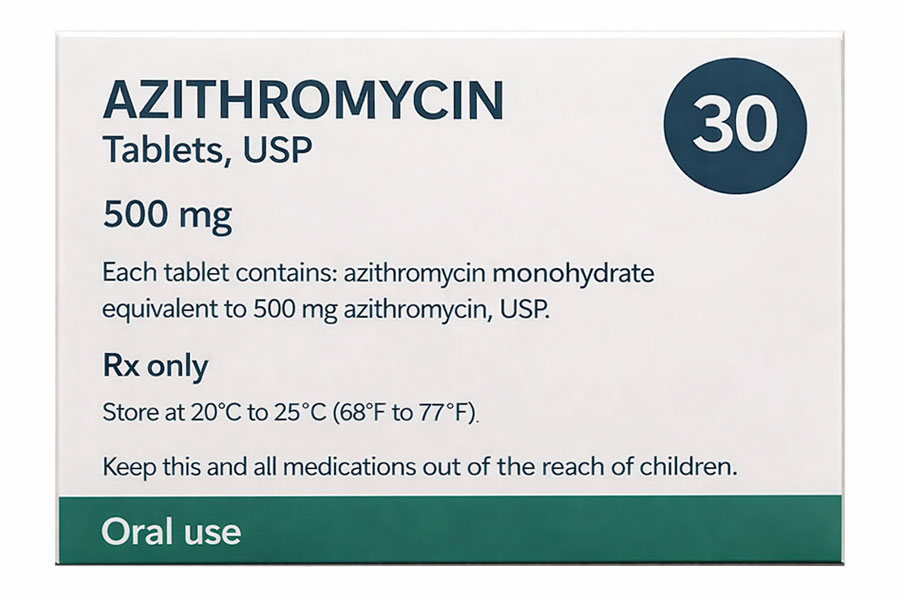
Azithromycin - a macrolide antibiotic with wide clinical use
Azithromycin occupies a distinguished position among modern antibacterial agents as a representative of the azalide subclass of macrolides, characterized by a broad spectrum of activity and a pharmacokinetic tailored for real-world clinical demands. Its molecular structure, derived from erythromycin by insertion of a nitrogen atom into the lactone ring, confers enhanced acid stability and improved tissue penetration, which markedly extends its clinical reach. This structural refinement allows azithromycin to maintain activity in the acidic environment of the stomach, leading to reliable oral bioavailability and predictable exposure, even in diverse patient populations and feeding conditions. The result is a molecule that merges chemical elegance with practical usability, bridging the gap between pharmacological theory and day‑to‑day therapeutic decision-making.
One of the defining strengths of azithromycin is its expansive clinical footprint, spanning respiratory, otolaryngological, dermatological, and certain genitourinary infections. While many antibiotics are constrained by narrow indications or cumbersome dosing regimens, azithromycin aligns with the need for simplified schedules and short-course therapy without sacrificing antibacterial potency. Its three- or five-day regimens have become deeply integrated into therapeutic strategies for community-acquired infections, offering a balance between rapid symptom relief and microbiological eradication. This combination of convenience and efficacy contributes to robust adherence, a factor that consistently differentiates azithromycin from older macrolides and several alternative oral agents.
Beyond its direct antibacterial effects, azithromycin has attracted attention for immunomodulatory and anti-inflammatory properties that extend its value in select clinical scenarios. Experimental and clinical data describe reductions in pro-inflammatory cytokine production, attenuation of neutrophil recruitment, and modulation of biofilm formation, particularly in chronic airway disease. These ancillary actions help explain why azithromycin is sometimes favored where inflammation and dysregulated host response complicate the infectious process. While antibacterial activity remains the central rationale for its use, the additional capacity to influence inflammatory pathways contributes to a more comprehensive therapeutic impact in complex respiratory pathologies.
Another hallmark of azithromycin is its impressive tissue distribution and prolonged residence at sites of infection, which underpin its characteristic once-daily dosing and abbreviated treatment courses. After absorption, azithromycin rapidly exits the plasma compartment and accumulates within tissues, especially in cells involved in host defense such as macrophages and neutrophils. Concentrations in pulmonary, sinus, and skin tissues often exceed plasma levels by several orders of magnitude, creating a pharmacological reservoir that continues to exert antibacterial pressure long after the last dose. This pharmacokinetic advantage differentiates azithromycin from many short half-life agents that demand multiple daily doses and longer treatment durations to achieve comparable microbiological outcomes.
From a public health perspective, azithromycin’s broad use has reshaped the management landscape for common community infections across primary and specialized care settings. Its inclusion in numerous national and international recommendations reflects accumulated confidence in its performance, tolerability, and versatility. At the same time, growing awareness of antimicrobial resistance has prompted more judicious, evidence-based positioning of azithromycin, emphasizing targeted use where its unique properties provide the greatest incremental benefit. When deployed within such a framework, azithromycin becomes not only a convenient antibiotic, but a strategic tool that supports both individual recovery and responsible antimicrobial stewardship.
Primary pharmacological properties of Azithromycin
The pharmacological profile of azithromycin is defined by a distinctive interplay between absorption, distribution, metabolism, and elimination that collectively favors high, sustained tissue concentrations with relatively low plasma exposure. Oral bioavailability, though moderate, is consistently sufficient to achieve therapeutic levels when standard dosing regimens are employed, and the drug’s acid-stable formulation protects it from gastric degradation. Following administration, peak plasma concentrations are reached within a few hours, after which azithromycin rapidly partitions into tissues, leaving plasma levels comparatively modest. This rapid redistribution is not a weakness but a deliberate pharmacological advantage, channeling the drug to the anatomical compartments where bacterial pathogens typically reside.
Azithromycin’s extraordinary volume of distribution reflects its affinity for intracellular compartments, particularly phagocytic cells that traffic to inflammatory foci. Once sequestered within these cells, azithromycin is transported to infected tissues, where it is gradually released into the extracellular space, sustaining local concentrations above the minimum inhibitory concentration for many pathogens. This process supports a prolonged post-antibiotic effect and enables the characteristic once-daily dosing schedule, even when treating organisms with moderate susceptibility. The long terminal half-life, often exceeding 50 hours, is a direct consequence of this tissue retention and slow elimination, reinforcing the rationale for short-course regimens that continue to exert antibacterial pressure well beyond the final dose.
Metabolic handling of azithromycin is relatively limited, with the drug predominantly excreted unchanged via the biliary route and, to a lesser extent, in the urine. This metabolic simplicity minimizes the number of clinically significant pharmacokinetic interactions compared with many other antibiotics that rely heavily on hepatic enzyme systems. Although azithromycin is a macrolide, its interaction with cytochrome P450 isoenzymes is far weaker than that of classical agents such as erythromycin or clarithromycin, reducing the risk of problematic elevations in co-administered drug levels. Even so, the combination of long half-life and high tissue exposure means that any interaction that does occur may persist for several days, a factor that warrants careful consideration when complex polypharmacy is present.
| Pharmacological Property | Key Characteristic | Clinical Implication | Comparative Advantage |
|---|---|---|---|
| Volume of distribution | Extremely high, with intense tissue penetration | Sustained tissue levels at sites of infection | Supports once-daily dosing and short courses |
| Intracellular accumulation | Preferential uptake by phagocytes | Targeted delivery to inflamed and infected tissues | Enhanced activity against intracellular pathogens |
| Half-life | Prolonged terminal half-life > 50 hours | Persistent post-treatment antibacterial effect | Enables three- and five-day regimens |
| Metabolism | Minimal hepatic biotransformation | Lower risk of CYP-mediated drug interactions | Safer co-administration with many chronic therapies |
| Excretion | Predominantly biliary, partial renal | Prolonged presence in gastrointestinal tract and bile | Useful exposure profile for some enteric pathogens |
From a pharmacodynamic perspective, azithromycin exhibits concentration-dependent killing for some pathogens and time-dependent effects for others, with the ratio of area under the concentration-time curve to minimum inhibitory concentration (AUC/MIC) often serving as the key predictive parameter for efficacy. This hybrid behavior aligns well with its pharmacokinetic strengths, as high tissue concentrations and extended exposure periods naturally drive favorable AUC/MIC relationships. The drug’s ability to accumulate within infected tissues ensures that even when plasma levels decline, the microenvironment surrounding bacteria remains saturated with active compound. This synergy between pharmacokinetics and pharmacodynamics underpins the confidence with which short azithromycin regimens are employed in diverse infection types.
Azithromycin also displays ancillary pharmacological activities that are not strictly antibacterial but enrich its therapeutic profile. These include interference with quorum sensing and biofilm formation in certain bacterial species, modulation of epithelial barrier function, and attenuation of excessive inflammatory cascades in airway tissues. While these effects do not replace the need for appropriate antimicrobial selection, they may help explain the clinical benefits observed in chronic respiratory conditions where inflammation, mucus hypersecretion, and microbial colonization intersect. Such pleiotropic properties position azithromycin as a pharmacologically sophisticated agent that operates at multiple levels of the host-pathogen interface.
Mechanism of action of Azithromycin and its effect on bacterial pathogens
Azithromycin exerts its antibacterial activity by targeting the bacterial ribosome, a critical engine of protein synthesis that is indispensable for growth, division, and virulence expression. Specifically, the drug binds to the 50S ribosomal subunit at a site overlapping the nascent peptide exit tunnel, thereby interfering with the translocation step of protein elongation. This binding disrupts the progression of the ribosome along messenger RNA, halting polypeptide chain extension and leading to a cessation of protein production. The result is a bacteriostatic effect at conventional concentrations, with bactericidal activity achievable against select organisms when higher tissue levels are attained or when the pathogen exhibits particular susceptibility.
The interaction of azithromycin with the ribosome is characterized by both high affinity and a relatively slow dissociation rate, features that contribute to its sustained activity against susceptible organisms. By occupying the ribosomal binding site for extended periods, azithromycin effectively "locks" the translation machinery in an inactive configuration, preventing rapid recovery even after extracellular drug levels begin to fall. This prolonged ribosomal engagement aligns with the drug’s long tissue half-life, producing a layered pharmacological effect in which both the physical presence of drug and its durable ribosomal occupancy cooperate to suppress bacterial growth. Such kinetic behavior helps explain why short treatment courses can maintain clinical efficacy long after the final dose.
- Inhibition of protein synthesis via 50S ribosomal binding reduces virulence factor production.
- Suppression of quorum sensing and biofilm formation limits chronic colonization.
- Intracellular activity targets pathogens residing within macrophages and epithelial cells.
- Modulation of inflammatory signaling pathways complements direct antibacterial action.
Azithromycin’s mechanism of action also extends beyond simple inhibition of bulk protein synthesis to more nuanced effects on bacterial behavior and pathogenicity. Many virulence determinants, such as toxins, adhesins, and secretion system components, are proteinaceous and rely on active translation for their production. By curtailing this synthetic capacity, azithromycin diminishes the expression of factors that enable bacteria to adhere to host tissues, evade immune responses, or inflict structural damage. This reduction in virulence can render pathogens more vulnerable to host defenses, even in scenarios where complete eradication is not immediately achieved, thereby tipping the balance of the infection in favor of recovery.
An additional dimension of azithromycin’s action arises from its ability to penetrate and persist within host cells, granting it access to intracellular pathogens that are poorly reached by many other antibiotics. Organisms such as Chlamydia, Mycoplasma, and certain atypical mycobacteria exploit intracellular niches to shield themselves from immune surveillance and extracellular drugs. Azithromycin’s lipophilicity and affinity for acidic intracellular compartments allow it to accumulate at concentrations that are lethal or suppressive for these organisms. By doing so, the drug disrupts intracellular replication cycles and curbs the dissemination of pathogens that would otherwise be protected within cellular sanctuaries.
Resistance to azithromycin typically arises through modifications of the ribosomal target site, efflux pump overexpression, or enzymatic inactivation, each of which undermines the drug’s capacity to bind or persist at effective concentrations. Methylation of ribosomal RNA by erm genes can reduce binding affinity, while mef-mediated efflux pumps expel the drug from the bacterial cytoplasm. These mechanisms highlight the evolutionary pressure exerted by widespread azithromycin use and underscore the need for thoughtful deployment to preserve its effectiveness. When applied in accordance with microbiological data and resistance surveillance, azithromycin’s sophisticated mechanism of action remains a powerful asset against a broad range of clinically relevant pathogens.
Clinical situations in which Azithromycin is commonly prescribed
Azithromycin is widely employed in the management of community-acquired respiratory tract infections, where its spectrum of activity and favorable pharmacokinetics align neatly with the dominant pathogens. Conditions such as acute bacterial sinusitis, acute exacerbations of chronic bronchitis, and mild to moderate community-acquired pneumonia frequently feature organisms like Streptococcus pneumoniae, Haemophilus influenzae, and atypical pathogens including Mycoplasma pneumoniae and Chlamydophila pneumoniae. Azithromycin’s ability to cover both typical and atypical bacteria with a single agent offers a streamlined approach that reduces the need for combination regimens in many outpatient settings. The convenience of once-daily dosing and short courses enhances adherence and supports rapid symptom control in these respiratory scenarios.
Beyond the respiratory tract, azithromycin plays a prominent role in certain sexually transmitted and genitourinary infections, particularly those caused by intracellular or fastidious organisms. Chlamydia trachomatis, a leading cause of non-gonococcal urethritis and cervicitis, is highly susceptible to azithromycin, and the drug’s intracellular penetration is particularly advantageous in this context. Likewise, azithromycin contributes to therapeutic strategies for uncomplicated gonorrhea in combination with other agents, not only targeting co-infecting Chlamydia but also providing broader coverage. These indications capitalize on the drug’s capacity to achieve high concentrations in genital tract tissues and secretions, supporting effective eradication with simple dosing schemes.
- Outpatient management of community-acquired respiratory infections with mixed pathogen profiles.
- Treatment of sexually transmitted infections where intracellular organisms are prevalent.
- Dermatological and soft tissue infections requiring robust tissue penetration.
- Targeted use in travel-related and enteric infections in appropriate epidemiological contexts.
Dermatological and soft tissue infections represent another sphere where azithromycin’s pharmacological strengths translate into tangible clinical benefits. Its high tissue penetration and accumulation in skin and subcutaneous compartments make it well suited for conditions such as uncomplicated cellulitis, erysipelas, and certain impetiginous eruptions, particularly when caused by susceptible streptococci and staphylococci. While beta-lactams often remain foundational for many skin infections, azithromycin offers a valuable alternative in individuals with intolerance to first-line agents or in settings where atypical pathogens are suspected. The drug’s tolerability profile and simplified dosing can be especially attractive when extended outpatient therapy is required.
Azithromycin also finds application in selected gastrointestinal and travel-related infections, reflecting its biliary excretion and resulting exposure in the intestinal lumen. Certain cases of traveler’s diarrhea, especially those associated with Campylobacter species or macrolide-susceptible enteric pathogens, may respond favorably to azithromycin-based regimens. Its acid stability allows it to traverse the upper gastrointestinal tract intact, while biliary secretion delivers active drug into the small intestine, where many causative organisms reside. The versatility in dosage forms, including tablets, capsules, and oral suspensions, further facilitates use across age groups and clinical circumstances where swallowing or absorption might otherwise pose challenges.
In chronic respiratory conditions such as diffuse bronchiectasis or specific phenotypes of chronic obstructive pulmonary disease, azithromycin has been incorporated into long-term strategies aimed at reducing exacerbation frequency. Here, the focus extends beyond direct bacterial killing to the drug’s modulatory effects on airway inflammation, mucus production, and bacterial colonization dynamics. Carefully selected individuals may derive sustained benefit from low-dose, intermittent azithromycin regimens that attenuate the cycle of infection and inflammation driving disease progression. Such applications illustrate how azithromycin’s role has expanded from short-term infection control to longer-term modulation of chronic airway pathology when guided by robust clinical criteria and monitoring.
Access to Azithromycin - what patients should know
Access to azithromycin is shaped by regulatory frameworks that classify it as a prescription-only medicine in most jurisdictions, reflecting its potency, potential for resistance selection, and the need for tailored use. This regulatory status is designed to ensure that azithromycin is used in situations where its spectrum, pharmacokinetics, and safety profile align with the characteristics of the infection and the individual receiving treatment. By channeling access through structured medical evaluation, health systems aim to prevent inappropriate self-medication, under-dosing, and use for viral illnesses where antibiotics confer no benefit. Such safeguards help preserve azithromycin’s effectiveness for scenarios where it offers clear therapeutic value.
From the perspective of individuals seeking treatment, azithromycin is generally available in multiple oral formulations, including tablets, capsules, and reconstitutable suspensions, which facilitates use across different age groups and swallowing abilities. Branded and generic products coexist in most markets, offering a range of price points and packaging options that can influence affordability and adherence. Some regions have incorporated azithromycin into essential medicine lists due to its broad utility in community-acquired infections, which often supports procurement in public health programs and subsidized access. Awareness of these options allows patients and caregivers to discuss practical considerations such as cost, formulation preference, and dosing convenience during therapeutic planning.
Digitalization of healthcare services has also influenced access pathways for azithromycin, with telemedicine platforms and electronic prescribing systems playing an increasing role. Remote consultations can facilitate timely evaluation of respiratory, dermatological, or genitourinary symptoms, followed by electronic transmission of prescriptions to community pharmacies. While this model can improve access, especially in rural or underserved areas, it also underscores the need for structured diagnostic reasoning and adherence to antimicrobial stewardship principles. Responsible digital prescribing of azithromycin hinges on accurate symptom assessment, awareness of local resistance patterns, and careful consideration of alternative agents when appropriate.
Global variations in antimicrobial resistance and disease epidemiology mean that access to azithromycin is also shaped by regional guidelines and public health initiatives. In areas with high macrolide resistance among key respiratory or enteric pathogens, stewardship programs may encourage more restrictive use or preferential selection of alternative agents. Conversely, in settings where azithromycin retains strong activity and fills critical therapeutic gaps, policies may prioritize its availability in primary care clinics and outreach programs. These contextual differences highlight how access is not merely a matter of supply, but of alignment between local microbiology, clinical need, and stewardship priorities that safeguard long-term efficacy.
Counterfeit and substandard antibiotics represent an additional dimension of access that has direct implications for azithromycin. In some regions, informal markets and unregulated online vendors distribute products with uncertain quality, incorrect dosing, or compromised stability. Such preparations can lead to treatment failure, adverse reactions, and accelerated resistance development when subtherapeutic concentrations are delivered. Reliable access to high-quality azithromycin through regulated pharmacies and verified supply chains is therefore a critical component of effective therapy. Individuals who receive authentic, appropriately dosed azithromycin within a structured care framework are more likely to experience successful outcomes and contribute less to the emergence of resistant strains.
Choosing between original Azithromycin and generic formulations
The decision between original azithromycin products and generic formulations revolves around the interplay of bioequivalence, quality assurance, cost, and patient experience. Regulatory authorities typically require generics to demonstrate bioequivalence to the reference brand, meaning that key pharmacokinetic parameters such as maximum concentration and area under the curve fall within an accepted range. This requirement is designed to ensure that, in routine use, generics deliver comparable exposure and therapeutic effect. When such standards are rigorously enforced, generic azithromycin can provide a clinically indistinguishable alternative to the original product, opening the door to broader access and cost savings without sacrificing expected efficacy.
Despite formal bioequivalence, subtle differences in excipients, manufacturing processes, and formulation technologies can influence aspects such as dissolution rate, tolerability, and patient perception. Some individuals may report variations in gastrointestinal comfort, taste of suspensions, or ease of swallowing between different brands, even when the active ingredient and nominal dosage are identical. Packaging design, blister integrity, and clarity of labeling also contribute to the overall experience and can affect adherence, particularly in short-course regimens where every dose is critical. These practical considerations highlight that the choice between original and generic azithromycin is not purely pharmacokinetic but encompasses a broader set of quality and usability attributes.
Cost differentials often represent a major driver of generic azithromycin uptake, especially in health systems with constrained budgets or among patients with limited financial resources. Generics typically enter the market at lower price points than the originator, enabling formularies and insurers to expand coverage and reduce out-of-pocket expenses. This economic advantage can translate into improved treatment initiation and completion rates, particularly in regions where high drug prices might otherwise deter timely therapy. When affordability barriers are lowered, the clinical benefits of azithromycin become accessible to a wider population, reinforcing its role as a versatile agent for common community infections.
| Feature | Original Azithromycin | Generic Azithromycin | Practical Consideration |
|---|---|---|---|
| Regulatory status | Reference product with full development dossier | Approved via bioequivalence pathways | Both must meet stringent quality and safety standards |
| Price | Typically higher acquisition cost | Usually lower, budget-friendly | Generics can improve affordability and access |
| Formulation differences | Proprietary excipients and packaging | Variable excipients and presentation | Minor differences may influence tolerability and preference |
| Perceived reliability | Often seen as benchmark product | Perception varies with brand reputation | Education on bioequivalence can support confidence in generics |
| Supply stability | Single-source manufacturing | Multiple manufacturers and sources | Multiple suppliers can enhance resilience of supply chains |
Quality assurance frameworks play a decisive role in determining whether generic azithromycin performs on par with the originator. Manufacturers must comply with good manufacturing practice standards, validated analytical methods, and ongoing batch testing to confirm content uniformity, dissolution, and stability. Regulatory surveillance, including post-marketing quality audits and pharmacovigilance, further ensures that both original and generic products maintain consistent performance over time. When these systems function robustly, prescribers and patients can rely on generics as trustworthy equivalents, focusing their decision-making on factors such as cost, formulation preference, and local availability rather than concerns about diminished efficacy.
In clinical practice, switching between different brands of azithromycin is generally well tolerated, but clear communication about changes in product appearance and packaging can prevent confusion. Distinct tablet shapes, colors, or blister designs may lead some individuals to question whether they are receiving the same medication, particularly during repeated courses. Transparent information about the equivalence of active ingredients and dosing regimens helps maintain adherence and confidence. When the choice between original and generic azithromycin is guided by quality, affordability, and informed preference, therapy can be tailored to individual circumstances while preserving the robust clinical performance that defines this antibiotic.
Indications for the use of Azithromycin in respiratory tract infections
Azithromycin holds a central role in the treatment of a wide spectrum of respiratory tract infections due to its broad antibacterial coverage, including both classical and atypical pathogens. In upper respiratory tract infections such as acute bacterial sinusitis and pharyngitis caused by susceptible organisms, azithromycin offers an oral option that combines convenient dosing with excellent tissue penetration. Its ability to achieve high concentrations in sinus mucosa, middle ear effusions, and pharyngeal tissues supports effective eradication of target bacteria. The drug’s activity against common respiratory pathogens, coupled with its favorable tolerability profile, underpins its frequent selection in ambulatory care settings where rapid restoration of respiratory comfort is a priority.
In lower respiratory tract infections, azithromycin is particularly valued for its coverage of atypical organisms, which are common contributors to community-acquired pneumonia and bronchitis. Mycoplasma pneumoniae, Chlamydophila pneumoniae, and Legionella species often escape detection by routine culture methods but remain susceptible to macrolides, making azithromycin a strategic choice when these pathogens are suspected. Its intracellular activity is especially relevant in this context, as atypical organisms often inhabit intracellular niches within respiratory epithelium and macrophages. By reaching these compartments in high concentrations, azithromycin addresses both extracellular and intracellular components of the infectious process.
- Management of upper respiratory infections with suspected bacterial etiology and macrolide susceptibility.
- Coverage of atypical pathogens in community-acquired pneumonia and acute bronchitis.
- Use in individuals with intolerance to alternative first-line respiratory antibiotics.
- Adjunctive roles in chronic airway diseases with recurrent infectious exacerbations.
Azithromycin is also frequently considered in scenarios where intolerance or contraindications limit the use of alternative respiratory antibiotics such as beta-lactams. Individuals with documented hypersensitivity reactions to penicillins or cephalosporins may require effective non-beta-lactam options, and azithromycin’s track record in respiratory indications makes it an attractive candidate. Its once-daily dosing simplifies regimens for those managing multiple medications, and the short duration of standard courses can be particularly helpful for patients who struggle with complex schedules. These features collectively enhance adherence, which is pivotal for achieving microbiological cure and preventing relapse.
Chronic respiratory conditions such as bronchiectasis, cystic fibrosis, and select phenotypes of chronic obstructive pulmonary disease have prompted exploration of azithromycin beyond acute infection control. In these settings, the drug’s anti-inflammatory and immunomodulatory properties, combined with its impact on bacterial colonization, can reduce the frequency and severity of infectious exacerbations. Long-term, low-dose azithromycin regimens have been associated with improvements in symptom burden, hospitalization rates, and quality of life in carefully characterized populations. Such indications require thoughtful risk-benefit assessment, particularly with respect to resistance development, but they showcase the breadth of azithromycin’s contribution to respiratory medicine.
Pediatric respiratory infections constitute another domain where azithromycin is widely utilized, supported by the availability of palatable oral suspensions and weight-adjusted dosing strategies. Common pediatric conditions such as otitis media, sinusitis, and atypical pneumonia often involve pathogens within azithromycin’s spectrum, and the simplified dosing schedules are well suited to family routines. The drug’s safety profile, combined with its efficacy against typical and atypical organisms, has led to its integration into pediatric treatment pathways in many regions. When used judiciously and in accordance with local guidelines, azithromycin provides a versatile and child-friendly option for a variety of respiratory tract infections.
The role of Azithromycin in the treatment of community-acquired pneumonia
Community-acquired pneumonia (CAP) represents one of the flagship indications for azithromycin, where its pharmacological attributes align closely with the microbial landscape of the disease. CAP often arises from a blend of typical bacteria such as Streptococcus pneumoniae and Haemophilus influenzae, alongside atypical organisms including Mycoplasma pneumoniae, Chlamydophila pneumoniae, and Legionella species. Azithromycin’s spectrum encompasses many of these pathogens, providing broad coverage with a single oral or intravenous agent in appropriate severity categories. The drug’s ability to target both intracellular and extracellular bacteria simplifies empirical regimens, especially in outpatient or step-down therapy where diagnostic certainty may be limited.
Pharmacokinetically, azithromycin is exceptionally well suited to the pulmonary environment, achieving high concentrations in lung parenchyma, bronchial secretions, and alveolar macrophages. These tissue levels often exceed those in plasma by substantial margins, ensuring that the drug is present in abundance at the sites where CAP pathogens reside. The prolonged tissue half-life sustains antibacterial activity throughout the dosing interval and beyond, allowing for once-daily administration and relatively brief treatment courses. This pharmacological behavior translates into practical advantages for patients, who can complete effective therapy with minimal disruption to daily life and reduced risk of missed doses.
- Empirical coverage of atypical pathogens in outpatient and mild inpatient CAP.
- High and sustained pulmonary tissue concentrations supporting short-course regimens.
- Compatibility with combination therapy for moderate to severe CAP requiring broader coverage.
- Favorable tolerability profile that supports adherence in acutely unwell individuals.
In moderate to severe CAP, azithromycin frequently serves as a component of combination regimens designed to broaden antibacterial coverage and leverage complementary mechanisms of action. Pairing azithromycin with a beta-lactam, for example, unites robust activity against typical extracellular pathogens with targeted efficacy against atypical organisms. This dual approach is particularly valuable when initial microbiological data are unavailable and the clinical picture suggests potential involvement of diverse pathogens. By integrating azithromycin into such regimens, clinicians can construct therapeutic strategies that address the full spectrum of likely etiologies while awaiting culture or molecular results.
Clinical outcomes in CAP treated with azithromycin-containing regimens have been extensively studied, revealing benefits that extend beyond simple pathogen eradication. Some investigations have reported reductions in inflammatory markers, shortened time to clinical stability, and improved symptom resolution, outcomes that may be partly attributable to azithromycin’s immunomodulatory properties. By tempering excessive inflammatory responses in the lung, the drug may help limit tissue damage and accelerate functional recovery. These observations have contributed to the enduring presence of azithromycin in CAP treatment algorithms, particularly in patients whose disease course is shaped not only by pathogen burden but also by dysregulated host responses.
Stewardship considerations have led to ongoing refinement of azithromycin’s role in CAP, with emphasis on matching its use to scenarios where its unique strengths are most relevant. Local resistance patterns, especially macrolide resistance among pneumococci, influence decisions about monotherapy versus combination therapy, as well as the choice of alternative agents. When employed in settings with preserved susceptibility and clear indications for atypical coverage, azithromycin continues to deliver strong performance. Aligning azithromycin use in CAP with contemporary resistance data and evidence-based guidelines ensures that this versatile macrolide remains a reliable pillar of pneumonia management for years to come.
Use of Azithromycin in bronchitis, sinusitis, and atypical infections
Azithromycin plays a prominent role in the treatment of acute bacterial exacerbations of chronic bronchitis and selected cases of acute bronchitis where bacterial involvement is substantiated or strongly suspected. In these conditions, the drug’s coverage of common respiratory pathogens, including Haemophilus influenzae and Moraxella catarrhalis, is complemented by its activity against atypical organisms that may contribute to prolonged cough and systemic symptoms. The high concentrations achieved in bronchial mucosa and secretions support effective bacterial suppression, while once-daily dosing simplifies regimens for individuals already burdened with maintenance medications for chronic respiratory disease. This combination of pharmacology and practicality has made azithromycin a frequent choice in bronchitic presentations that warrant antibacterial intervention.
In acute bacterial sinusitis, azithromycin’s ability to penetrate sinus mucosa and secretions is particularly advantageous, as the anatomic complexity and impaired drainage characteristic of sinus disease can impede antibiotic delivery. The drug’s acid stability and favorable oral absorption ensure reliable systemic exposure, while its extensive tissue distribution drives high local concentrations within inflamed sinus cavities. These properties help overcome the challenges posed by thickened mucosa, obstructed ostia, and altered sinus physiology, supporting symptomatic improvement and pathogen clearance. Short-course azithromycin regimens are especially appealing in sinusitis, where rapid restoration of nasal airflow and relief from facial pressure significantly enhance quality of life.
- Treatment of acute exacerbations of chronic bronchitis with suspected bacterial etiology.
- Management of acute bacterial sinusitis where tissue penetration is critical.
- Therapy for atypical respiratory infections involving intracellular pathogens.
- Use in specific non-respiratory atypical infections where macrolide sensitivity is documented.
Azithromycin holds a special place in the management of atypical respiratory infections driven by organisms such as Mycoplasma pneumoniae, Chlamydophila pneumoniae, and Legionella species. These pathogens often produce subacute or non-classical clinical presentations, with prominent systemic symptoms and relatively modest radiographic findings, making empirical coverage an important consideration. Azithromycin’s intracellular activity, supported by its accumulation in respiratory epithelial cells and macrophages, directly targets the niches where atypical organisms replicate. This alignment between pharmacology and pathogen biology explains the frequent selection of azithromycin in settings where atypical infection is suspected based on epidemiology, clinical pattern, or outbreak data.
Beyond the respiratory tract, azithromycin contributes to the management of certain atypical and fastidious infections in other organ systems. Examples include some non-tuberculous mycobacterial infections, specific enteric pathogens, and selected dermatological conditions where intracellular bacteria or biofilm-forming organisms are implicated. The drug’s ability to modulate biofilm structure and interfere with quorum sensing can be especially relevant in chronic or recurrent infections where standard therapies have struggled to achieve durable control. These broader applications showcase azithromycin as more than a conventional respiratory antibiotic, highlighting its versatility in addressing complex infectious scenarios that demand both intracellular activity and biofilm penetration.
Long-term, low-dose azithromycin strategies have gained traction in chronic airway diseases such as bronchiectasis and certain phenotypes of severe asthma, where recurrent bacterial colonization and inflammation perpetuate symptoms and structural damage. In these contexts, azithromycin’s anti-inflammatory effects, including reductions in neutrophilic inflammation and modulation of cytokine profiles, complement its antibacterial actions. Carefully selected individuals may experience fewer exacerbations, improved exercise tolerance, and enhanced quality of life under such regimens. These outcomes underscore the dual antibacterial and immunomodulatory roles of azithromycin in chronic bronchial pathology, while also reinforcing the need for ongoing surveillance to mitigate resistance risks.
Differences between Azithromycin and other classes of antibiotics
Azithromycin distinguishes itself from many other antibiotic classes through its unique combination of spectrum, pharmacokinetics, and tissue distribution, which collectively shape its clinical niche. Unlike beta-lactams, which primarily target cell wall synthesis and often require multiple daily doses due to shorter half-lives, azithromycin acts on the bacterial ribosome and maintains prolonged tissue concentrations that support once-daily, short-course regimens. This divergence in mechanism and exposure profile leads to different patterns of activity against pathogens, with azithromycin offering particular strength against atypical and intracellular organisms that may be less susceptible to cell wall-targeting agents. Such differences position azithromycin as a complementary, rather than competing, option alongside other antibiotic classes.
Compared with fluoroquinolones, which also provide broad-spectrum coverage and high tissue penetration, azithromycin offers a distinct safety and interaction profile that can be advantageous in many clinical contexts. Fluoroquinolones are associated with specific concerns such as tendinopathy, central nervous system effects, and potential glycemic disturbances, which may limit their use in certain populations. Azithromycin, while not devoid of risks, generally exhibits a more favorable tolerability pattern, particularly with respect to musculoskeletal and neuropsychiatric events. Its relatively modest impact on cytochrome P450 enzymes further reduces the likelihood of complex pharmacokinetic interactions, a factor that is especially relevant in individuals receiving multiple chronic medications.
Within the macrolide family itself, azithromycin stands apart from older agents like erythromycin due to its enhanced acid stability, improved gastrointestinal tolerability, and superior tissue penetration. Erythromycin’s susceptibility to gastric acid and frequent gastrointestinal side effects have historically limited its acceptability, whereas azithromycin’s structural modifications address these shortcomings. Clarithromycin shares some of azithromycin’s advantages but differs in its metabolic handling and interaction potential, with more pronounced cytochrome P450 inhibition. Azithromycin’s comparatively benign interaction profile and extended tissue half-life grant it a practical edge in many outpatient and step-down therapy scenarios where simplicity and predictability are prized.
When contrasted with tetracyclines, another class active against atypical respiratory pathogens, azithromycin offers several differentiating features. Tetracyclines, such as doxycycline, provide broad-spectrum coverage but can be limited by gastrointestinal intolerance, photosensitivity, and contraindications in certain age groups and physiological states. Azithromycin’s dosing convenience, pediatric-friendly formulations, and favorable tolerability in a wide range of individuals broaden its applicability across demographic groups. Moreover, its pronounced intracellular accumulation and prolonged tissue residence create a pharmacokinetic environment that is distinct from that of tetracyclines, enabling shorter regimens that can be particularly appealing in acute respiratory infections.
Aminoglycosides and glycopeptides represent additional antibiotic classes with powerful antibacterial activity but markedly different pharmacological profiles compared with azithromycin. Aminoglycosides require parenteral administration, careful therapeutic drug monitoring, and vigilance for nephrotoxicity and ototoxicity, restricting their use to specific severe infections and hospital settings. Glycopeptides, such as vancomycin, similarly demand intravenous administration and monitoring, with a primary focus on resistant gram-positive organisms. Azithromycin, by contrast, is designed for convenient oral use, broad outpatient applicability, and coverage of both typical and atypical community pathogens. These contrasts highlight how azithromycin fills a distinct niche in the antimicrobial armamentarium, offering a balance of potency, convenience, and safety that is well suited to community-acquired infections.
Short-course therapy with Azithromycin and its clinical rationale
Short-course therapy represents one of the defining advantages of azithromycin, rooted in its exceptional tissue penetration and prolonged intracellular residence. After administration, azithromycin rapidly accumulates in respiratory epithelium, sinus mucosa, skin, and immune cells, achieving concentrations that remain above the minimum inhibitory concentration for many pathogens long after plasma levels have declined. This pharmacokinetic profile allows three- or five-day regimens to deliver antibacterial exposure comparable to much longer courses of other agents. The capacity to condense effective therapy into a brief timeframe simplifies treatment plans, reduces the window for missed doses, and supports high adherence rates in real-world settings.
The clinical rationale for short-course azithromycin therapy extends beyond convenience to encompass important microbiological and stewardship considerations. Shorter regimens, when adequately potent, can minimize the duration of antibiotic pressure on commensal flora, potentially reducing the selection of resistant strains. By achieving swift bacterial killing and rapid symptom improvement, azithromycin-based short courses can truncate the infectious period and lower transmission risk in community settings. This approach aligns with evolving perspectives on right-sizing antibiotic exposure, where the goal is to deliver just enough therapy to secure cure and prevent relapse without unnecessarily prolonging treatment.
- Three- and five-day regimens supported by prolonged tissue half-life and post-antibiotic effects.
- Enhanced adherence due to simplified dosing schedules and shorter treatment windows.
- Potential reduction in resistance selection through minimized exposure duration.
- Flexible application across respiratory, dermatological, and select genitourinary infections.
Evidence from clinical trials and real-world studies has consistently shown that short-course azithromycin regimens can achieve outcomes comparable to, or in some cases better than, longer courses of alternative antibiotics in many community-acquired infections. Measures such as clinical cure rates, microbiological eradication, time to symptom resolution, and patient satisfaction frequently demonstrate parity or superiority. These findings reinforce the concept that duration of therapy should be tailored to the pharmacokinetic and pharmacodynamic profile of the drug, rather than adhering to traditional, longer schedules that were developed for agents with very different properties. Azithromycin exemplifies how an antibiotic engineered for extended tissue exposure can safely and effectively support abbreviated regimens.
| Regimen Type | Typical Duration | Clinical Context | Key Advantages |
|---|---|---|---|
| Three-day course | 500 mg once daily for 3 days (or equivalent) | Acute bronchitis, mild pneumonia, selected sinusitis | Rapid completion, strong adherence, sustained tissue levels |
| Five-day course | 500 mg on day 1, then 250 mg daily on days 2–5 (or equivalent) | Upper and lower respiratory infections, some skin infections | Gradual loading with extended coverage and favorable tolerability |
| Single-dose strategies | One-time high oral dose | Selected sexually transmitted infections | Maximal simplicity, near-perfect adherence by design |
| Intermittent long-term dosing | Low-dose, repeated schedules over weeks or months | Chronic airway disease with recurrent exacerbations | Reduction in exacerbation frequency and symptom burden |
| Pediatric weight-based courses | Three- to five-day regimens adjusted for body weight | Otitis media, sinusitis, atypical pneumonia in children | Child-friendly schedules that fit family routines |
From a behavioral perspective, short-course azithromycin regimens align closely with how individuals manage acute illness in everyday life. Many patients find it challenging to maintain multi-week antibiotic schedules, particularly when symptoms improve rapidly and the perceived need for medication diminishes. By compressing therapy into three or five days, azithromycin reduces the gap between symptom relief and course completion, lowering the temptation to stop early. This harmony between pharmacology and human behavior is a key reason why azithromycin regimens often achieve high adherence rates and robust clinical success across diverse populations.
Stewardship frameworks increasingly recognize the value of tailoring antibiotic duration to drug-specific pharmacokinetics and clinical evidence, and azithromycin serves as a model for such optimization. Short-course therapy, when grounded in solid outcome data and aligned with susceptibility patterns, can deliver excellent results while conserving antimicrobial resources. As resistance pressures grow and the need for judicious antibiotic use becomes more urgent, azithromycin’s ability to provide potent, targeted therapy within abbreviated timeframes stands out as a significant asset. Well-designed short-course regimens harness the full power of this macrolide while respecting the ecological balance of the microbiome and the broader public health imperative.
Recommended dosages and duration of Azithromycin treatment regimens
Recommended dosing regimens for azithromycin are carefully calibrated to exploit its pharmacokinetic strengths, particularly its high tissue concentrations and long terminal half-life. In many adult respiratory indications, a common approach involves a loading dose on the first day followed by lower maintenance doses over subsequent days, such as 500 mg on day one followed by 250 mg once daily on days two through five. This strategy rapidly saturates tissue compartments with therapeutic levels of drug, then maintains those levels with smaller daily inputs, optimizing both efficacy and tolerability. The overall exposure achieved by such regimens is designed to sustain antibacterial activity throughout the course and beyond, thanks to continued release from tissue reservoirs.
Alternative adult regimens include fixed-dose three-day schedules, often employing 500 mg once daily for three consecutive days, which rely on the same principles of rapid tissue accumulation and prolonged retention. These regimens are particularly attractive in acute respiratory and dermatological infections where swift symptom control and high adherence are priorities. For certain sexually transmitted infections, single high-dose strategies have been utilized, leveraging azithromycin’s capacity to achieve very high peak concentrations and extended tissue exposure from a single administration. Each of these dosing patterns reflects a nuanced balance between pharmacokinetic behavior, pathogen susceptibility, and clinical objectives in different infectious contexts.
Pediatric dosing of azithromycin is typically weight-based, ensuring that children receive exposure comparable to that of adults while accounting for differences in body size and developmental physiology. Common regimens involve an initial higher dose on day one, followed by lower daily doses for a total of three to five days, with careful calculation based on milligrams per kilogram of body weight. Oral suspensions with age-appropriate flavors and volumes facilitate accurate administration and improve acceptability among younger children. The goal is to mirror the adult principle of front-loaded tissue saturation followed by maintenance, while maintaining a safety margin tailored to pediatric needs.
Duration of therapy varies with the type and severity of infection, as well as the site of involvement and the causative organism. Uncomplicated upper respiratory infections and mild lower respiratory tract infections often respond well to three- or five-day courses, whereas more complex or deep-seated infections may require extended or repeated regimens. In chronic airway diseases where azithromycin is used for prophylactic or anti-inflammatory purposes, low-dose schedules administered several times per week over months have been explored. These long-term strategies aim to modulate disease course rather than achieve rapid eradication, and therefore employ different dosing philosophies from those used in acute infection management.
Renal and hepatic function, concomitant medications, and individual tolerability can influence azithromycin dosing decisions, even though the drug’s metabolism and excretion are relatively straightforward compared with many other antibiotics. In individuals with significant hepatic impairment or complex polypharmacy, careful assessment of potential accumulation and interaction risks is prudent, particularly given azithromycin’s long half-life and tissue storage. Adjustments to dose or duration may be warranted in select cases to balance efficacy with safety. When dosing regimens are matched thoughtfully to individual characteristics and infection parameters, azithromycin delivers a flexible and powerful tool for tailoring antimicrobial therapy across a wide clinical spectrum.
Potential adverse effects, drug interactions, and resistance considerations
Azithromycin is generally well tolerated, with a safety profile that has contributed significantly to its widespread adoption; however, like all antibiotics, it carries a spectrum of potential adverse effects. Gastrointestinal symptoms such as nausea, abdominal discomfort, diarrhea, and transient loose stools are among the most frequently reported, reflecting the drug’s impact on gut flora and motility. These events are typically mild to moderate and self-limiting, often resolving without the need for discontinuation. The availability of short-course regimens may further limit the duration and intensity of such symptoms, making azithromycin a comparatively comfortable option for many individuals.
Cardiovascular safety has been a focus of attention with azithromycin, particularly regarding its potential to prolong the QT interval and, in rare cases, contribute to arrhythmias such as torsades de pointes. This risk appears to be most relevant in individuals with pre-existing QT prolongation, electrolyte disturbances, structural heart disease, or concurrent use of other QT-prolonging medications. While the absolute incidence of serious arrhythmias is low, the long tissue half-life of azithromycin means that any proarrhythmic effect may persist beyond the last dose. Awareness of these considerations supports informed decision-making about azithromycin’s use in populations with heightened cardiac vulnerability.
Drug interaction potential with azithromycin is more limited than with some other macrolides, owing to its relatively modest effect on cytochrome P450 enzymes. Nevertheless, interactions can arise through shared pathways affecting cardiac repolarization, overlapping toxicity profiles, or alterations in absorption and excretion. Co-administration with other QT-prolonging agents, for example, can compound arrhythmic risk, while combinations with certain antacids may transiently affect absorption kinetics. The long half-life of azithromycin also means that interactions may endure for several days after treatment cessation, a factor that merits consideration when planning changes to concurrent medication regimens.
Resistance development is a central concern in the long-term stewardship of azithromycin, as widespread use exerts selective pressure on both target pathogens and commensal flora. Mechanisms of resistance include target site modification via ribosomal RNA methylation, active efflux pumps that expel the drug from bacterial cells, and, less commonly, enzymatic inactivation. Macrolide resistance among respiratory pathogens such as Streptococcus pneumoniae has been documented in many regions, with rates varying according to prescribing patterns and local antibiotic use. Prudent deployment of azithromycin, guided by susceptibility data and rational indication selection, plays a key role in slowing the spread of resistant strains.
The ecological impact of azithromycin on the microbiome also warrants attention, as alterations in gut and respiratory flora can have downstream consequences for colonization resistance and opportunistic infections. Short-course therapy may mitigate some of these effects compared with prolonged antibiotic exposure, but even brief regimens can influence microbial communities. Ongoing research continues to explore how azithromycin and other antibiotics shape the microbiome and how these changes relate to outcomes such as Clostridioides difficile infection or emergence of multidrug-resistant organisms. By integrating awareness of adverse effects, interaction potentials, and resistance dynamics into prescribing decisions, azithromycin can be harnessed to its full therapeutic potential while respecting the delicate balance of host and microbial ecosystems.
The place of Azithromycin in modern clinical guidelines
Azithromycin occupies a prominent and carefully defined position in modern clinical guidelines for the management of community-acquired infections, particularly those involving the respiratory tract. Many national and international recommendations endorse azithromycin as a first-line or alternative option for conditions such as community-acquired pneumonia, acute exacerbations of chronic bronchitis, and atypical respiratory infections, especially in outpatient settings. These endorsements are grounded in extensive clinical trial data demonstrating robust efficacy, favorable tolerability, and practical dosing schedules that support adherence. Guideline committees have consistently recognized the value of azithromycin’s broad spectrum and pharmacokinetics in addressing the complex pathogen mix characteristic of community infections.
Guidelines also emphasize the strategic use of azithromycin in combination regimens for more severe infections, where broader coverage is required. In moderate to severe community-acquired pneumonia, for example, azithromycin is often paired with a beta-lactam to ensure comprehensive activity against both typical and atypical pathogens. This combination leverages the complementary mechanisms of action and spectra of the two drug classes, providing a robust empirical approach while awaiting microbiological confirmation. Such recommendations underscore azithromycin’s role not only as a standalone agent but also as a key component of synergistic treatment strategies in hospitalized or high-risk individuals.
Antimicrobial stewardship principles are deeply embedded in contemporary guidelines, shaping how and when azithromycin is recommended. There is a strong focus on reserving azithromycin for indications where its unique properties offer clear advantages, such as coverage of atypical organisms, suitability for short-course therapy, or use in individuals with intolerance to other classes. Guidelines frequently caution against indiscriminate use for self-limiting viral respiratory infections or conditions where narrower-spectrum agents would suffice. This targeted positioning aims to preserve azithromycin’s effectiveness, reduce unnecessary selection pressure on microbial populations, and align prescribing patterns with long-term public health goals.
Regional variations in resistance patterns influence how guidelines calibrate the role of azithromycin, particularly in respiratory indications. In areas with high macrolide resistance among Streptococcus pneumoniae or other key pathogens, recommendations may limit azithromycin monotherapy or favor its use predominantly in combination regimens. Conversely, where susceptibility remains robust, guidelines may assign azithromycin a more prominent role as an empirical agent in community settings. These nuanced adaptations illustrate how azithromycin’s place in therapy is dynamic and responsive to evolving microbiological realities, rather than fixed or uniform across all geographies.
Emerging evidence on azithromycin’s immunomodulatory effects and its potential benefits in chronic airway diseases has prompted guideline committees to consider expanded roles beyond acute infection management. In conditions such as bronchiectasis and select phenotypes of chronic obstructive pulmonary disease, recommendations increasingly acknowledge the value of low-dose, long-term azithromycin regimens in reducing exacerbation frequency and improving symptom control. At the same time, guidelines underscore the need for careful patient selection, monitoring for adverse effects, and ongoing assessment of resistance implications. By integrating both acute and chronic indications within a stewardship-aware framework, modern guidelines position azithromycin as a versatile, high-impact antibiotic whose benefits can be maximized through thoughtful, evidence-based use.