Buy Doxycycline Online – Proven Medication for Bacterial and Parasitic Conditions
| Product Name: | Doxycycline (Vibramycin) |
|---|---|
| Dosage: | 100 mg |
| Price: | $51.50 |
| Where To Buy Online | OnlinePharmacy |
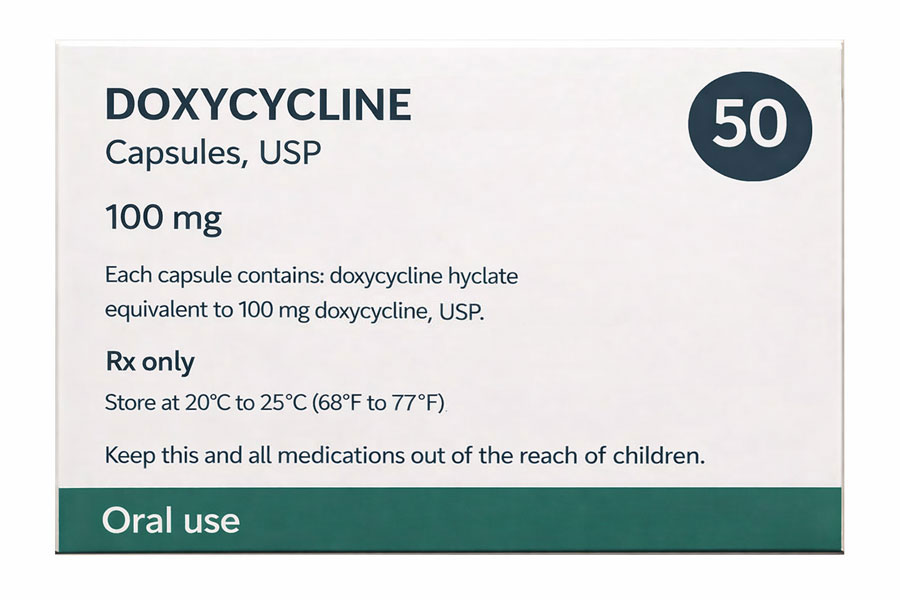
Doxycycline - a broad-spectrum tetracycline antibiotic with versatile clinical use
Doxycycline occupies a distinguished place among systemic antibiotics as a second-generation tetracycline with a uniquely favorable balance of spectrum, pharmacokinetics, and tolerability. It offers potent activity against a remarkably wide range of gram-positive, gram-negative, atypical, and intracellular pathogens, which positions it as a flexible option across infectious disease, respiratory medicine, dermatology, and venereology. Unlike many older tetracyclines, doxycycline was engineered with improved lipophilicity and enhanced absorption, translating into reliable systemic exposure and excellent tissue penetration after oral administration. This combination of broad antimicrobial reach and practical usability has allowed doxycycline to remain clinically relevant for decades despite the rapid evolution of bacterial resistance worldwide.
A defining strength of doxycycline lies in its ability to target organisms that are often difficult to treat with other antibiotic classes. These include intracellular pathogens such as Chlamydia, Rickettsia, and certain Mycoplasma species, as well as zoonotic bacteria responsible for conditions like Lyme disease, ehrlichiosis, and Q fever. Its capacity to traverse cell membranes and accumulate within host cells grants doxycycline a decisive advantage in infections where pathogens reside in intracellular niches, shielded from many conventional agents. This intracellular activity, combined with broad extracellular coverage, makes doxycycline a preferred option in numerous complex infectious scenarios where narrow-spectrum drugs may fall short.
Doxycycline’s pharmacokinetic refinements distinguish it from earlier tetracyclines that were limited by frequent dosing, gastrointestinal intolerance, and substantial chelation with dietary cations. High oral bioavailability, a relatively long elimination half-life, and robust tissue distribution allow once- or twice-daily regimens that are easy to integrate into daily life. The drug’s stability in the gastrointestinal tract and reduced propensity for severe nausea compared with older congeners have significantly improved patient acceptance. These practical advantages underpin its success in long-term indications such as acne, rosacea, and chronic inflammatory dermatoses, where sustained adherence is essential for therapeutic success.
Another dimension of doxycycline’s appeal is its notable anti-inflammatory and immunomodulatory potential, which extends its utility beyond pure antimicrobial activity. At sub-antimicrobial doses, doxycycline can inhibit matrix metalloproteinases, reduce neutrophil chemotaxis, and modulate cytokine production, offering benefits in conditions characterized by chronic inflammation and tissue remodeling. This property is harnessed in dermatology and periodontal medicine, where doxycycline contributes to symptom control and structural preservation even when active infection is absent or minimal. The dual antimicrobial and anti-inflammatory profile elevates doxycycline from a conventional antibiotic to a multifunctional therapeutic tool across several specialties.
From a public health and stewardship perspective, doxycycline stands out as a high-value oral agent that often provides broad coverage without resorting to fluoroquinolones or advanced cephalosporins. Its activity against key respiratory pathogens, sexually transmitted organisms, and vector-borne bacteria allows streamlined, guideline-concordant regimens that are both effective and cost-conscious. The availability of multiple formulations, including capsules, tablets, and dispersible forms, further enhances accessibility in diverse healthcare settings. When used thoughtfully within evidence-based frameworks, doxycycline delivers substantial clinical benefits while supporting the global effort to preserve more restricted antibiotic classes for situations where they are truly indispensable.
Core pharmacological characteristics of Doxycycline
The pharmacological profile of doxycycline reflects deliberate optimization of the tetracycline scaffold to achieve superior absorption, distribution, and half-life compared with its predecessors. Oral bioavailability often exceeds 90 percent, and absorption is less affected by food than with older tetracyclines, although divalent and trivalent cations can still reduce uptake to some degree. Peak plasma concentrations are typically reached within two to three hours after ingestion, establishing effective systemic levels rapidly in acute infections. This reliable absorption pattern supports predictable exposure across a wide range of body weights and clinical contexts, facilitating standardized dosing strategies.
Doxycycline is highly lipophilic, a property that translates into extensive tissue penetration and distribution into both extracellular and intracellular compartments. It diffuses readily into respiratory mucosa, skin, sebaceous glands, genitourinary tissues, and synovial fluid, as well as into phagocytic cells that traffic to sites of inflammation. This broad distribution underpins its success in treating respiratory tract infections, dermatologic diseases, sexually transmitted infections, and vector-borne illnesses. Protein binding is substantial but not prohibitive, allowing a meaningful free fraction to remain available for antibacterial action while contributing to a relatively prolonged elimination half-life.
One of doxycycline’s most clinically relevant attributes is its extended half-life, typically in the range of 18–22 hours in individuals with normal physiology. This prolonged elimination allows once- or twice-daily dosing schedules that maintain plasma concentrations above the minimum inhibitory concentration for susceptible organisms throughout the dosing interval. The extended half-life also supports post-antibiotic effects and sustained tissue levels, which are particularly advantageous in chronic conditions such as acne and rosacea, where steady-state exposure is more important than rapid bactericidal peaks. These pharmacokinetic features make doxycycline markedly more convenient than first-generation tetracyclines that required multiple daily doses.
- High oral bioavailability with relatively modest impact from food intake compared with older tetracyclines.
- Extensive tissue and intracellular penetration supporting activity in diverse anatomical sites.
- Prolonged elimination half-life enabling once- or twice-daily dosing regimens.
- Dual elimination pathways via hepatic and renal routes, offering flexibility in organ impairment.
Unlike many antibiotics that rely predominantly on renal clearance, doxycycline is eliminated through a combination of hepatic metabolism, biliary excretion, and to a lesser extent renal pathways. This dual elimination route means that dosage adjustments in renal impairment are often less critical than for renally cleared agents, although global clinical status always warrants consideration. Biliary excretion leads to appreciable concentrations in the gastrointestinal tract, which can be beneficial against certain enteric or biliary pathogens while also contributing to selective pressure on gut flora. The balance between hepatic and renal handling contributes to doxycycline’s versatility across a broad spectrum of clinical scenarios, including those involving mild to moderate organ dysfunction.
From a pharmacodynamic perspective, doxycycline exhibits primarily time-dependent and concentration-enhanced antibacterial activity, with the ratio of area under the concentration-time curve to minimum inhibitory concentration (AUC/MIC) serving as a key predictor of efficacy. Its action is predominantly bacteriostatic at conventional doses, although bactericidal effects may be observed against certain highly susceptible organisms at elevated exposures. This pharmacodynamic profile aligns well with its extended half-life and stable tissue concentrations, emphasizing the value of consistent daily dosing rather than aggressive peak-focused strategies. When pharmacokinetic and pharmacodynamic principles are harmonized in regimen design, doxycycline provides reliable suppression of susceptible pathogens across a wide range of clinical indications.
Mechanism of action of Doxycycline and its effects on bacterial protein synthesis
Doxycycline exerts its antimicrobial activity by binding reversibly to the 30S subunit of the bacterial ribosome, a critical component of the protein synthesis machinery. This binding interferes with the attachment of aminoacyl-tRNA to the acceptor (A) site of the ribosome-mRNA complex, effectively blocking the addition of new amino acids to the growing polypeptide chain. By halting this step in translation, doxycycline prevents the synthesis of essential bacterial proteins required for growth, replication, and virulence expression. The result is a bacteriostatic effect, where bacterial proliferation is arrested and the host immune system gains a decisive advantage in clearing the infection.
The ribosomal binding site targeted by doxycycline is highly conserved among many bacterial species, which explains the drug’s broad-spectrum activity against gram-positive, gram-negative, and atypical organisms. At the same time, subtle structural differences between bacterial and eukaryotic ribosomes confer a high degree of selectivity, minimizing interference with host protein synthesis at therapeutic concentrations. This selectivity underpins doxycycline’s favorable safety profile relative to agents that target more universally conserved cellular processes. By exploiting structural nuances in the bacterial ribosome, doxycycline achieves a potent antimicrobial effect while maintaining a wide therapeutic window.
Doxycycline’s mechanism of action has particular relevance for intracellular pathogens that rely heavily on host cell machinery and protected niches to sustain infection. Organisms such as Chlamydia trachomatis, Rickettsia rickettsii, and Mycoplasma pneumoniae inhabit intracellular or cell-associated environments where many hydrophilic antibiotics penetrate poorly. Doxycycline’s lipophilicity and ability to accumulate within host cells allow it to reach these pathogens at inhibitory concentrations, suppressing their protein synthesis and disrupting replication cycles. This intracellular reach distinguishes doxycycline as a preferred choice for numerous atypical and zoonotic infections that are less responsive to cell wall–active agents.
- Reversible binding to the 30S ribosomal subunit blocks aminoacyl-tRNA attachment.
- Inhibition of protein synthesis leads to bacteriostatic suppression of susceptible organisms.
- High selectivity for bacterial ribosomes limits interference with human protein synthesis.
- Intracellular accumulation enhances effectiveness against atypical and vector-borne pathogens.
Beyond simple growth inhibition, doxycycline’s impact on protein synthesis can modulate bacterial virulence by reducing the production of toxins, adhesins, and other factors required for tissue invasion and immune evasion. Many of these virulence determinants are proteins that depend on active ribosomal function for their expression. By dampening virulence factor synthesis, doxycycline can attenuate the severity of infection, even in situations where complete eradication may be gradual. This attenuation supports host defenses in controlling and ultimately resolving the infectious process, particularly in complex diseases where immune response and bacterial behavior are tightly intertwined.
Bacterial resistance to doxycycline and other tetracyclines arises through several well-characterized mechanisms that interfere with drug access to the ribosome or reduce its binding affinity. Efflux pumps encoded by tet(A), tet(B), and related genes can actively expel the antibiotic from bacterial cells, lowering intracellular concentrations below inhibitory thresholds. Ribosomal protection proteins, such as those encoded by tet(M) and tet(O), can alter ribosomal conformation in a way that diminishes tetracycline binding without disrupting normal translational activity. Less commonly, enzymatic inactivation of tetracyclines may occur. Despite these challenges, careful stewardship and targeted use have allowed doxycycline to retain clinically meaningful activity against many pathogens, particularly in indications where alternative options are limited or less well tolerated.
Clinical scenarios where Doxycycline remains a drug of choice
Doxycycline maintains its status as a drug of choice in several high-impact clinical scenarios where its unique combination of spectrum, tissue penetration, and intracellular activity provides clear advantages. One of the most prominent domains is the management of tick-borne infections such as Lyme disease, Rocky Mountain spotted fever, ehrlichiosis, and anaplasmosis. In these conditions, doxycycline offers rapid symptom improvement, excellent tissue distribution, and reliable activity against the causative organisms, making it a preferred option across age groups in many guidelines. Its ability to reach the central nervous system, joints, and other affected tissues further solidifies its central role in early and disseminated stages of these infections.
Another key area where doxycycline is favored is in the treatment of atypical respiratory infections and community-acquired pneumonia with suspected involvement of organisms such as Mycoplasma pneumoniae, Chlamydophila pneumoniae, and certain zoonotic pathogens. These organisms lack classical cell walls or occupy intracellular niches, rendering many beta-lactam antibiotics ineffective. Doxycycline’s mechanism of action and intracellular penetration enable it to address both the respiratory symptoms and systemic manifestations associated with atypical pneumonia. Its oral availability and once- or twice-daily dosing make it particularly practical for outpatient management of mild to moderate disease.
Sexually transmitted infections represent another domain where doxycycline has earned a leading position, particularly in the management of uncomplicated chlamydial infections and certain cases of non-gonococcal urethritis. Its high efficacy against Chlamydia trachomatis, favorable tolerability, and straightforward dosing schedules contribute to its strong performance in these indications. Doxycycline also plays a vital role in syndromic management strategies for pelvic inflammatory disease and epididymo-orchitis when combined with other agents that broaden coverage. The drug’s consistent success in eradicating intracellular genital pathogens underpins its continued prioritization in contemporary venereology.
| Clinical Scenario | Key Pathogens | Rationale for Doxycycline Preference | Distinct Advantages |
|---|---|---|---|
| Tick-borne infections (e.g., Lyme disease, rickettsioses) | Borrelia burgdorferi, Rickettsia spp., Ehrlichia spp. | Potent activity against vector-borne intracellular organisms | Excellent tissue penetration, CNS reach, and oral convenience |
| Atypical community-acquired pneumonia | Mycoplasma pneumoniae, Chlamydophila pneumoniae | Effective against cell wall–deficient and intracellular bacteria | Single-agent coverage of typical and atypical respiratory pathogens |
| Uncomplicated chlamydial infections | Chlamydia trachomatis | High eradication rates with well-tolerated oral regimens | Strong intracellular penetration and favorable cost profile |
| Acne and inflammatory dermatoses | Cutibacterium acnes and inflammatory mediators | Dual antimicrobial and anti-inflammatory effects | Suitability for long-term, low-dose regimens |
| Malaria prophylaxis in specific regions | Plasmodium falciparum (drug-resistant strains) | Adjunctive prophylactic effect against resistant malaria | Oral once-daily dosing and compatibility with other antimalarials |
In dermatology, doxycycline is a cornerstone therapy for moderate to severe acne, rosacea, and various follicular and inflammatory dermatoses. Its impact on Cutibacterium acnes, combined with its ability to modulate inflammatory cascades in the pilosebaceous unit, leads to significant improvements in lesion counts, erythema, and patient-reported quality of life. Sub-antimicrobial-dose formulations have been specifically developed to harness its anti-inflammatory properties while minimizing selective pressure on bacterial flora, showcasing the sophistication of its dermatologic applications. Long-term use in these settings is supported by a substantial safety database and careful monitoring strategies.
Doxycycline also retains a respected role in travel medicine and tropical infectious disease, particularly as part of malaria prophylaxis strategies in regions with significant Plasmodium falciparum resistance to traditional agents. Its capacity to interfere with the apicoplast of Plasmodium species, when used in combination with fast-acting antimalarials, contributes to effective suppression of blood-stage parasites. Beyond malaria, doxycycline is employed in prophylaxis or treatment of leptospirosis and certain rickettsial diseases in travelers and residents of endemic regions. This breadth of utility, spanning vector-borne, zoonotic, respiratory, dermatologic, and sexually transmitted infections, confirms doxycycline’s enduring status as a drug of choice in multiple pivotal clinical arenas.
Access to Doxycycline - what patients should know
Access to doxycycline is shaped by its classification as a prescription-only medication in most jurisdictions, a status that reflects both its potency and the need for targeted, evidence-based use. This regulatory framework is designed to ensure that doxycycline is reserved for infections and inflammatory conditions where its spectrum and pharmacological properties provide clear benefit. Structured access supports appropriate diagnostic evaluation, consideration of contraindications such as pregnancy or age-specific risks, and alignment with local antimicrobial stewardship policies. Such oversight contributes to preserving doxycycline’s effectiveness by discouraging casual or unnecessary use for self-limiting viral illnesses.
From an availability perspective, doxycycline is widely distributed globally in multiple oral formulations, including capsules, tablets, dispersible forms, and modified-release preparations. This range of options allows therapy to be tailored to swallowing ability, dosing frequency preferences, and specific indications such as dermatologic conditions requiring prolonged low-dose regimens. In many countries, doxycycline appears on essential medicines lists, reflecting its recognized importance in managing a broad spectrum of priority infections. This designation often facilitates inclusion in public procurement systems, national health insurance formularies, and humanitarian medical supply chains, thereby enhancing access in both urban and remote settings.
Economic considerations also play a significant role in access to doxycycline, as generic versions are widely available at relatively low cost in most markets. The affordability of generic doxycycline makes it an attractive option for health systems seeking cost-effective yet robust antimicrobial coverage. For individuals without comprehensive insurance coverage, the modest price of many generic formulations reduces financial barriers to completing prescribed courses. This combination of clinical strength and economic accessibility has contributed to doxycycline’s sustained presence as a first-line or preferred agent in numerous guideline-endorsed regimens.
The rise of digital health platforms and telemedicine has introduced new pathways for obtaining doxycycline, particularly in the context of respiratory, dermatologic, and sexually transmitted infections. Remote consultations can facilitate timely evaluation and prescription for suitable candidates, especially in regions where access to in-person services is limited. At the same time, responsible use within these models depends on robust clinical protocols, accurate history-taking, and adherence to local guidelines regarding diagnostic confirmation and follow-up. Well-governed telehealth systems can enhance timely access to doxycycline while maintaining high standards of antimicrobial stewardship and patient safety.
Quality and authenticity of doxycycline products are critical determinants of effective access, especially in regions where counterfeit or substandard medicines circulate. Unregulated online pharmacies and informal markets may offer products with incorrect dosing, degraded active ingredients, or harmful contaminants. Such products risk treatment failure, adverse reactions, and acceleration of resistance by exposing pathogens to subtherapeutic concentrations. Reliable access therefore depends not only on prescription availability but also on robust regulatory oversight, quality assurance in manufacturing, and distribution through accredited pharmacies. When these elements are in place, individuals receiving doxycycline can benefit from its full therapeutic potential with confidence in product integrity.
Choosing between Original Doxycycline brands and generic equivalents
The choice between original doxycycline brands and generic equivalents is guided by the principles of bioequivalence, quality assurance, cost, and user experience. Regulatory agencies typically require that generic doxycycline formulations demonstrate pharmacokinetic equivalence to a reference product, with peak concentrations and overall exposure falling within an accepted range. This requirement is intended to ensure that, under routine conditions, generics provide the same clinical benefits as the originator. When regulatory standards are rigorously enforced and manufacturing quality is high, generic doxycycline can be regarded as therapeutically interchangeable with branded counterparts.
Despite pharmacokinetic equivalence, differences in excipients, tablet coatings, capsule shells, and suspension vehicles can influence practical aspects such as tolerability, ease of swallowing, and gastrointestinal comfort. Some individuals may notice variations in dyspepsia, esophageal irritation, or aftertaste when switching between brands, even though the active ingredient and dosage are identical. Packaging design and clarity of labeling also contribute to adherence, particularly in long-term regimens where daily consistency is vital. These factors underscore that the decision between original and generic doxycycline extends beyond pure pharmacology into the realm of patient experience and convenience.
Cost considerations frequently favor generic doxycycline, which is often priced substantially lower than originator products while delivering comparable clinical outcomes. For healthcare systems, widespread use of generics can free resources for diagnostics, monitoring, and access to newer therapies when required. For individuals, lower out-of-pocket costs improve the likelihood of initiating and completing prescribed courses, especially for prolonged treatments such as acne or rosacea management. This economic advantage reinforces doxycycline’s role as a high-value option where effectiveness and affordability intersect.
- Bioequivalent generics typically match originator products in exposure and clinical performance.
- Excipients and formulation details can influence tolerability and personal preference.
- Lower-cost generics expand access and support adherence in long-term therapies.
- Quality assurance and reputable manufacturing are central to reliable therapeutic outcomes.
International brand diversity can occasionally create confusion, as the same doxycycline formulation may be marketed under different trade names across regions. Emphasis on the generic name "doxycycline" in prescriptions and educational materials helps maintain clarity when individuals move between healthcare systems or encounter different brands. Pharmacists and regulatory frameworks play a crucial role in ensuring that brand substitutions maintain equivalent dosing, release characteristics, and formulation types, particularly when transitioning between immediate-release and modified-release products. Clear communication about these aspects supports continuity of care and preserves therapeutic consistency.
Quality assurance frameworks underpin confidence in both original and generic doxycycline products. Compliance with good manufacturing practice, validated analytical methods, and ongoing batch testing are essential to ensure consistent potency, purity, and stability. Post-marketing surveillance systems that capture safety signals and quality issues further strengthen trust in the supply chain. When these safeguards operate effectively, the choice between original and generic doxycycline can focus on cost, availability, and individual tolerability, rather than concerns about diminished efficacy. This environment allows doxycycline to be deployed flexibly and reliably across a vast range of infectious and inflammatory indications.
Indications for the use of Doxycycline in infectious diseases
Doxycycline commands a broad and distinguished portfolio of indications across infectious diseases, reflecting its activity against an impressive array of pathogens. In bacterial infections, it is widely used for respiratory tract illnesses, sexually transmitted infections, vector-borne diseases, and certain gastrointestinal and genitourinary conditions. Its spectrum encompasses many gram-positive cocci, gram-negative bacilli, atypical bacteria, and several protozoal pathogens, enabling single-agent regimens in clinical scenarios that might otherwise require combination therapy. This versatility simplifies treatment algorithms and offers a unifying approach to diverse infectious presentations in outpatient and inpatient settings.
Vector-borne and zoonotic infections represent a signature domain for doxycycline. It is a mainstay in the treatment of Lyme disease, human granulocytic anaplasmosis, ehrlichiosis, Q fever, scrub typhus, and multiple rickettsial illnesses. These pathogens often dwell within host cells and disseminate through the bloodstream and tissues, causing systemic symptoms that can be severe if untreated. Doxycycline’s intracellular penetration and potent activity against these organisms yield rapid defervescence and symptom improvement, reducing the risk of long-term sequelae such as neurologic complications or chronic inflammatory syndromes. Its established performance in these contexts has cemented doxycycline as a global reference standard for many tick- and mite-borne diseases.
In sexually transmitted infections, doxycycline plays a central role in managing uncomplicated genital, rectal, and oropharyngeal chlamydial infections, as well as certain cases of non-gonococcal urethritis. Its efficacy extends to syndromic management of pelvic inflammatory disease when used alongside other agents that broaden coverage to anaerobes and Neisseria gonorrhoeae. Doxycycline also contributes to treatment strategies for lymphogranuloma venereum and granuloma inguinale in specific epidemiological settings. The drug’s strong performance in eradicating intracellular genital pathogens, combined with convenient oral dosing, sustains its high standing in contemporary sexual health protocols.
- Management of vector-borne infections such as Lyme disease, rickettsioses, and ehrlichiosis.
- Treatment of uncomplicated chlamydial infections and related sexually transmitted conditions.
- Use in atypical respiratory infections and community-acquired pneumonia with mixed pathogen profiles.
- Application in selected gastrointestinal, genitourinary, and ocular infections caused by susceptible organisms.
Doxycycline also has a well-established role in respiratory tract infections where atypical pathogens are suspected, including Mycoplasma pneumoniae and Chlamydophila pneumoniae, as well as in some community-acquired pneumonia regimens that seek to cover both typical and atypical bacteria with one agent. Its activity against certain strains of Staphylococcus aureus, including some community-associated MRSA isolates, broadens its utility in skin and soft tissue infections when guided by local susceptibility data. In ocular medicine, doxycycline is employed for conditions such as trachoma and ocular rosacea, where its antimicrobial and anti-inflammatory properties jointly contribute to improved outcomes.
Beyond bacterial infections, doxycycline contributes to parasitic disease management, particularly in malaria prophylaxis and as an adjunct in treatment regimens for drug-resistant Plasmodium falciparum. It also plays a role in filarial infections by targeting Wolbachia endosymbionts, thereby weakening adult worms and enhancing the effectiveness of macrofilaricidal agents. These applications highlight doxycycline’s capacity to impact complex host-parasite interactions that extend beyond classical antibacterial paradigms. Taken together, its extensive indication range underscores why doxycycline remains one of the most versatile and strategically valuable antimicrobials in modern practice.
The role of Doxycycline in respiratory tract infections
Doxycycline occupies a prominent position in the management of respiratory tract infections, particularly where atypical or mixed pathogen profiles are suspected. In community-acquired pneumonia, it is frequently selected for empirical therapy in ambulatory settings because it covers both classical pathogens such as Streptococcus pneumoniae and atypical organisms including Mycoplasma pneumoniae, Chlamydophila pneumoniae, and certain respiratory viruses’ bacterial co-pathogens. Its excellent penetration into bronchial mucosa, alveolar lining fluid, and pulmonary parenchyma ensures that effective concentrations are achieved at the site of infection. This broad coverage with a single oral agent simplifies treatment and aligns well with outpatient management strategies.
Acute bronchitis and acute exacerbations of chronic bronchitis or chronic obstructive pulmonary disease often involve a blend of viral triggers and bacterial contributors such as Haemophilus influenzae, Moraxella catarrhalis, and atypical pathogens. In situations where bacterial involvement is substantiated or strongly suspected, doxycycline offers an attractive option due to its spectrum and once- or twice-daily dosing. Its ability to suppress both typical and atypical bacteria, combined with its anti-inflammatory effects on airway tissues, can translate into faster symptom improvement, reduced sputum purulence, and shorter exacerbation duration when antibiotic therapy is justified.
Upper respiratory tract infections also represent an important niche for doxycycline, particularly in sinusitis and pharyngitis where atypical bacteria or beta-lactam intolerance shape antibiotic selection. While narrow-spectrum beta-lactams remain preferred for classic streptococcal pharyngitis in many protocols, doxycycline serves as a valuable alternative in specific circumstances such as documented allergy to first-line agents or suspected atypical pathogens. Its high oral bioavailability and tissue distribution into sinus mucosa and pharyngeal tissues support effective bacterial suppression and symptom resolution. This flexible positioning allows doxycycline to complement, rather than replace, traditional agents in upper airway disease.
| Respiratory Condition | Likely Pathogens | Role of Doxycycline | Key Clinical Advantages |
|---|---|---|---|
| Community-acquired pneumonia (outpatient) | S. pneumoniae, M. pneumoniae, C. pneumoniae | Empirical monotherapy in selected adults | Coverage of typical and atypical organisms with oral dosing |
| Acute exacerbation of chronic bronchitis/COPD | H. influenzae, M. catarrhalis, atypicals | Targeted therapy when bacterial involvement is likely | Broad spectrum, convenient dosing, anti-inflammatory effects |
| Atypical pneumonia syndromes | M. pneumoniae, C. pneumoniae, zoonotic agents | Preferred agent in many atypical infection protocols | Intracellular penetration and high efficacy |
| Sinusitis with suspected atypical or resistant flora | Mixed aerobic/atypical bacteria | Alternative when first-line agents are unsuitable | Good sinus tissue penetration and oral convenience |
| Respiratory infections in beta-lactam intolerance | Typical and atypical community pathogens | Substitute for penicillins and cephalosporins | Non–beta-lactam mechanism with broad coverage |
In individuals with intolerance or contraindications to beta-lactam antibiotics, doxycycline often serves as a highly effective alternative for respiratory infections. Its non–beta-lactam structure bypasses concerns related to penicillin or cephalosporin hypersensitivity, while still offering robust coverage of many respiratory pathogens. This role is particularly valuable in outpatient settings where rapid initiation of therapy is desirable and parenteral options are impractical. The ability to provide an oral, once- or twice-daily regimen with broad coverage and favorable tolerability distinguishes doxycycline as a cornerstone alternative in this context.
Chronic respiratory conditions such as bronchiectasis and certain phenotypes of chronic obstructive pulmonary disease have prompted interest in the potential adjunctive use of doxycycline for its anti-inflammatory properties. By modulating neutrophilic inflammation and matrix metalloproteinase activity in the airway wall, doxycycline may contribute to reductions in exacerbation frequency and improvements in symptom burden when used in carefully selected individuals. Although such uses require cautious evaluation of benefit-risk balance and resistance implications, they illustrate the breadth of doxycycline’s impact on respiratory health beyond classical infection control.
Stewardship frameworks for respiratory tract infections emphasize aligning antibiotic choice with local resistance patterns, disease severity, and individual risk factors. Doxycycline fits naturally into these frameworks as a versatile, cost-effective agent that can often replace broader-spectrum alternatives without compromising outcomes. When used in accordance with guideline criteria and microbiological surveillance data, doxycycline supports high-quality care for respiratory infections while helping to preserve more restricted antibiotic classes for severe or resistant disease.
Use of Doxycycline in dermatology, acne, and inflammatory skin conditions
Doxycycline has become a mainstay in dermatology due to its combined antimicrobial and anti-inflammatory properties, which address both the infectious and immunologic components of many skin diseases. In acne vulgaris, it targets Cutibacterium acnes while simultaneously modulating inflammatory pathways within the pilosebaceous unit. This dual action results in reductions in inflammatory papules, pustules, and nodules, as well as improvements in associated erythema and tenderness. Its favorable tolerability profile compared with older tetracyclines and many systemic alternatives has cemented doxycycline as a first-line systemic option for moderate to severe acne.
Rosacea represents another key indication where doxycycline demonstrates exceptional clinical value. In this chronic inflammatory condition, sub-antimicrobial doses of doxycycline can significantly diminish papulopustular lesions and background erythema without exerting strong selective pressure on commensal flora. The drug’s capacity to inhibit matrix metalloproteinases, reduce reactive oxygen species, and temper inflammatory cytokine release contributes to visible improvement in skin texture and color. These mechanistic insights have led to the development of specialized low-dose formulations designed specifically for rosacea and other inflammatory dermatoses, highlighting doxycycline’s sophisticated role beyond traditional infection control.
- Systemic management of moderate to severe acne refractory to topical therapy alone.
- Sub-antimicrobial-dose therapy for papulopustular rosacea and ocular rosacea.
- Adjunctive treatment in folliculitis, hidradenitis suppurativa, and other inflammatory dermatoses.
- Supportive therapy in dermatologic conditions involving matrix metalloproteinase overactivity.
Doxycycline is also employed as part of comprehensive regimens for hidradenitis suppurativa, folliculitis, and certain forms of neutrophilic dermatoses, where inflammation and secondary bacterial colonization intertwine. By reducing both microbial load and inflammatory mediator activity, doxycycline can contribute to fewer flares, decreased lesion size, and improved quality of life. Its oral administration and once- or twice-daily dosing are particularly advantageous in chronic dermatoses that require long-term management strategies tailored to individual tolerance and comorbidities.
In periodontal and connective tissue diseases, doxycycline at sub-antimicrobial doses has demonstrated benefits through inhibition of collagenase and other matrix metalloproteinases that drive tissue breakdown. Such regimens have been explored in conditions like periodontitis, where structural preservation of supporting tissues around teeth is a key therapeutic goal. The capacity to modulate tissue-destructive enzymes without exerting full antimicrobial pressure reflects a refined understanding of doxycycline’s pharmacology and opens avenues for innovative applications in dermatology and beyond.
Long-term dermatologic use naturally raises questions regarding safety, resistance development, and microbiome effects. Experience accumulated over decades suggests that carefully selected doses, particularly sub-antimicrobial regimens, are generally well tolerated and associated with manageable risk profiles. Photosensitivity, gastrointestinal upset, and candidal overgrowth remain the most frequent concerns, but these can often be mitigated through regimen adjustments and monitoring. When deployed thoughtfully, doxycycline offers dermatology a uniquely powerful tool that bridges infection control, inflammation modulation, and tissue protection.
Doxycycline in the treatment of sexually transmitted and atypical infections
Doxycycline holds a central role in the management of several sexually transmitted infections, particularly those caused by intracellular pathogens. Uncomplicated genital, rectal, and oropharyngeal infections with Chlamydia trachomatis respond robustly to doxycycline-based regimens, which achieve high eradication rates and favorable tolerability. The drug’s ability to penetrate urogenital tissues and mucosal surfaces, combined with its strong intracellular activity, enables comprehensive suppression of chlamydial replication. This performance has led many contemporary protocols to position doxycycline as a preferred option for chlamydial infections in diverse anatomical sites.
Beyond uncomplicated chlamydia, doxycycline contributes significantly to syndromic management strategies for pelvic inflammatory disease, epididymo-orchitis, and proctitis, where polymicrobial and mixed sexually transmitted pathogen profiles are common. In these contexts, doxycycline is typically combined with other agents such as cephalosporins or metronidazole to broaden coverage to Neisseria gonorrhoeae and anaerobic bacteria. Its inclusion in these regimens ensures robust coverage of chlamydial and atypical components that might otherwise persist and contribute to long-term reproductive or pelvic complications. This synergistic role highlights doxycycline’s importance in comprehensive sexual health care.
- First-line therapy for uncomplicated chlamydial infections at genital, rectal, and oropharyngeal sites.
- Core component of combination regimens for pelvic inflammatory disease and epididymo-orchitis.
- Treatment option for lymphogranuloma venereum and selected atypical sexually transmitted syndromes.
- Coverage of atypical and intracellular organisms in mixed sexually transmitted infection presentations.
Doxycycline also plays an important part in the management of lymphogranuloma venereum, a more invasive form of chlamydial infection characterized by painful lymphadenopathy and proctocolitis. Its ability to sustain effective tissue concentrations over extended treatment courses supports resolution of deep-seated inflammatory lesions and prevention of chronic sequelae. In granuloma inguinale and other less common sexually transmitted conditions, doxycycline may be deployed based on susceptibility patterns and guideline recommendations, further extending its reach in this therapeutic domain.
Atypical infections that intersect with sexual health, such as Mycoplasma genitalium and Ureaplasma urealyticum, present ongoing challenges due to evolving resistance patterns and diagnostic complexities. Doxycycline often forms part of initial or sequential regimens targeting these organisms, although resistance surveillance and emerging data continually refine its role. Its activity against a range of atypical genital pathogens, combined with its established performance against classical chlamydial infections, positions doxycycline as a versatile agent in the dynamic landscape of sexually transmitted and atypical urogenital infections.
Stewardship considerations are particularly salient in sexually transmitted infections, where high transmission rates and asymptomatic carriage can accelerate resistance development. Doxycycline’s place in this arena is maintained through careful alignment with guideline-based indications, weight of evidence on comparative efficacy, and ongoing monitoring of susceptibility trends. When integrated into comprehensive sexual health programs that include partner notification, testing, and prevention strategies, doxycycline contributes powerfully to reducing the burden of sexually transmitted and atypical genital infections.
Differences between Doxycycline and other antibiotic classes
Doxycycline differs fundamentally from beta-lactam antibiotics in both mechanism of action and spectrum, offering a complementary option when cell wall–active agents are unsuitable or insufficient. While penicillins and cephalosporins target bacterial cell wall synthesis and are generally bactericidal, doxycycline interferes with protein synthesis and is predominantly bacteriostatic. This distinction becomes clinically relevant in infections caused by organisms lacking classical cell walls, such as Mycoplasma and certain Chlamydia species, where beta-lactams are ineffective. Doxycycline’s ribosomal targeting and intracellular penetration make it particularly valuable in these atypical settings, providing coverage that beta-lactams cannot achieve.
Compared with macrolides, which also inhibit bacterial protein synthesis but act on the 50S ribosomal subunit, doxycycline offers several differentiating features. Its broader spectrum includes many gram-negative organisms and a wider array of vector-borne pathogens, while macrolides excel in respiratory and some sexually transmitted infections but have a narrower vector-borne profile. Doxycycline is less associated with clinically significant cytochrome P450 interactions than certain macrolides, reducing the complexity of co-prescribing with drugs that undergo hepatic metabolism. Additionally, doxycycline’s extended half-life and robust oral bioavailability support once-daily dosing in many indications, which can be advantageous for long-term therapies.
Fluoroquinolones represent another major antibiotic class frequently considered in similar clinical scenarios, particularly respiratory and genitourinary infections. However, they differ markedly from doxycycline in safety profile, ecological impact, and resistance dynamics. Fluoroquinolones have been associated with tendinopathy, central nervous system effects, and dysglycemia, as well as significant selection pressure for multidrug-resistant gram-negative organisms and Clostridioides difficile. Doxycycline, by contrast, generally presents a more favorable tolerability pattern and exerts a different spectrum of ecological effects. Where doxycycline provides adequate coverage, its use can help avoid unnecessary exposure to fluoroquinolones and preserve them for situations where their unique strengths are essential.
Within the tetracycline class itself, doxycycline stands out due to its superior pharmacokinetics and tolerability compared with older agents such as tetracycline and oxytetracycline. Earlier tetracyclines often require multiple daily doses, are more affected by food and cation interactions, and have higher rates of gastrointestinal disturbance. Doxycycline’s higher lipophilicity, longer half-life, and improved absorption reduce these limitations and enable simpler, more patient-friendly regimens. Minocycline shares some of these advantages but is more frequently associated with vestibular side effects and pigmentary changes, prompting many clinicians and guideline committees to favor doxycycline as the tetracycline of choice in numerous indications.
When compared with other broad-spectrum agents such as carbapenems or advanced cephalosporins, doxycycline occupies a more conservative ecological niche. It provides extensive coverage of atypical, intracellular, and vector-borne pathogens without the profound microbiome disruption and resistance selection associated with many hospital-focused antibiotics. This positioning makes doxycycline particularly suitable for community-acquired infections and chronic inflammatory conditions where broad-spectrum parenteral agents would be disproportionate. By offering a potent yet relatively ecology-conscious alternative, doxycycline helps bridge the gap between narrow-spectrum first-line drugs and last-resort therapies reserved for severe or multidrug-resistant infections.
Short-term therapy and prolonged treatment courses with Doxycycline
Doxycycline’s pharmacokinetic profile lends itself effectively to both short-term and prolonged treatment courses, allowing flexible adaptation to the demands of different diseases. In acute infections such as community-acquired pneumonia, sinusitis with atypical features, or uncomplicated chlamydial infections, short courses ranging from 5 to 14 days are commonly employed. The extended half-life and strong tissue penetration ensure that therapeutic concentrations are maintained throughout these intervals, supporting rapid symptom resolution and microbiological control. Short-term regimens capitalize on doxycycline’s convenience and potency while limiting the duration of exposure and associated risks.
Prolonged courses of doxycycline are frequently required in conditions where chronic infection, ongoing inflammation, or tissue remodeling are central drivers of pathology. Examples include moderate to severe acne, rosacea, certain forms of periodontal disease, and long-standing vector-borne infections such as late-stage Lyme disease in specific protocols. In these contexts, treatment durations may extend over weeks to months, with doses adjusted to balance antimicrobial and anti-inflammatory objectives. Sub-antimicrobial dosing strategies, particularly in dermatology and periodontology, allow exploitation of doxycycline’s matrix metalloproteinase inhibition and immunomodulation while minimizing direct antibacterial pressure on commensal flora.
- Short-term regimens for acute respiratory, genitourinary, and vector-borne infections.
- Intermediate courses for subacute conditions with extended symptom trajectories.
- Long-term, often lower-dose schedules for dermatologic and periodontal indications.
- Tailored durations based on clinical response, diagnostic findings, and relapse risk.
In dermatologic practice, doxycycline may be prescribed continuously over several months to manage acne or rosacea, with periodic reassessment to fine-tune dosing and duration. The goal is to achieve sustained control of inflammatory lesions and prevent scarring or persistent erythema while minimizing cumulative adverse effects. Tapering strategies and transitions to topical maintenance therapies are often used once stable improvement is achieved, reducing the need for indefinite systemic exposure. Doxycycline’s favorable tolerability and flexible dosing options make it well suited to these nuanced, long-term treatment paradigms.
For vector-borne infections, course length is closely tied to disease stage and organ involvement. Early Lyme disease may respond to relatively brief regimens, while disseminated or late manifestations can necessitate longer courses, sometimes in combination with other antibiotics. Rickettsial diseases typically require treatment until several days after defervescence to prevent relapse. These examples illustrate how doxycycline’s extended half-life and tissue penetration provide a robust pharmacological foundation for both short and extended schedules, as long as duration is tailored to the biology of the pathogen and the dynamics of host response.
Stewardship-oriented perspectives increasingly promote careful calibration of doxycycline course length to the minimum effective duration for each indication. Emerging research has shown that shorter courses can often achieve outcomes equivalent to longer regimens in selected infections, reducing the risk of adverse events, microbiome disruption, and resistance selection. Doxycycline’s pharmacokinetic strengths support this evolution toward more precise, individualized treatment horizons. When course duration is grounded in high-quality evidence and ongoing clinical evaluation, doxycycline can deliver powerful therapeutic effects while aligning with contemporary principles of responsible antibiotic use.
Recommended dosing regimens and duration across indications
Doxycycline dosing regimens are carefully structured to align with its pharmacokinetics and the susceptibility profiles of target pathogens across various indications. In many acute bacterial infections, therapy begins with a loading dose followed by a slightly lower maintenance dose to rapidly achieve and then sustain therapeutic concentrations. This approach is common in respiratory infections, certain vector-borne diseases, and sexually transmitted infections, where early attainment of inhibitory levels can influence symptom trajectory and reduce complication risk. The once- or twice-daily schedules made possible by doxycycline’s extended half-life enhance adherence and simplify integration into daily routines.
In community-acquired pneumonia and atypical respiratory infections, adult dosing often employs a fixed daily total divided into one or two administrations, with treatment durations typically ranging from 5 to 10 days depending on disease severity and response. For uncomplicated chlamydial infections, standardized multi-day regimens have demonstrated high eradication rates and are widely endorsed in sexual health guidelines. Vector-borne diseases such as Lyme disease, ehrlichiosis, and rickettsioses require tailored dosing and duration, with early localized infections generally treated for shorter periods than disseminated or complicated presentations. Across these indications, regimen design seeks to maintain plasma and tissue concentrations above the minimum inhibitory concentration for the full treatment span.
Dermatologic and periodontal indications rely on distinct dosing philosophies that often involve lower daily doses administered over extended periods. In acne and rosacea, for example, once- or twice-daily regimens at sub-antimicrobial or modest antimicrobial doses are used for several weeks to months to harness both antibacterial and anti-inflammatory effects. Periodontal protocols may employ even lower doses focused on matrix metalloproteinase inhibition rather than direct microbial killing. These regimens exemplify doxycycline’s versatility, as the same molecule can be deployed in high-intensity short courses or gentle long-term schedules depending on therapeutic goals.
| Indication Category | Typical Adult Dosing Pattern | Usual Duration Range | Key Dosing Considerations |
|---|---|---|---|
| Community-acquired respiratory infections | Once or twice daily at standard antimicrobial doses | 5–10 days depending on severity | Sufficient exposure to cover typical and atypical pathogens |
| Sexually transmitted chlamydial infections | Fixed dose twice daily | 7–10 days in most protocols | High adherence to complete course for eradication |
| Vector-borne diseases (e.g., Lyme, rickettsioses) | Twice daily antimicrobial doses | 7–21 days tailored to disease stage | Extended courses for disseminated or severe manifestations |
| Acne and rosacea | Once or twice daily, often at lower or sub-antimicrobial doses | Several weeks to months with periodic reassessment | Balance between efficacy, tolerability, and resistance risk |
| Malaria prophylaxis | Once daily at standard prophylactic dose | During exposure period and for a defined span afterward | Consistency of daily intake throughout risk interval |
Renal and hepatic function exert nuanced effects on doxycycline pharmacokinetics due to its mixed elimination pathways. In contrast to many renally cleared antibiotics, dosage adjustments are often less dramatic in mild to moderate renal impairment, although global clinical context always guides final decisions. Hepatic dysfunction may influence biliary excretion and metabolism, prompting careful observation for accumulation or intolerance in advanced liver disease. Age, body weight, comorbidities, and concomitant medications also factor into regimen selection, particularly for prolonged therapies where cumulative exposure becomes relevant.
Pediatric dosing of doxycycline has traditionally been approached with caution due to concerns about dental staining and effects on bone development in younger children. Contemporary evidence and guideline updates have refined these concerns, particularly in life-threatening or high-impact infections such as rickettsial diseases, where the benefits of doxycycline clearly outweigh potential risks in specific age groups. Weight-based dosing and age-specific risk-benefit assessments underpin pediatric regimens, ensuring that children receive adequate exposure to control serious infections while minimizing long-term adverse outcomes.
Across indications, the trend in modern practice is toward individualized dosing that integrates pharmacokinetic principles, pathogen susceptibility data, clinical response, and patient-specific factors. Doxycycline’s flexibility in supporting a wide array of dosing patterns makes it well suited to this personalized approach. When regimens are thoughtfully tailored and durations are grounded in robust evidence, doxycycline delivers consistently strong performance across its remarkably diverse indication spectrum.
Adverse reactions, contraindications, and precautions during therapy
Doxycycline is generally well tolerated, yet it carries a characteristic profile of adverse reactions that merit thoughtful consideration during therapy. Gastrointestinal symptoms such as nausea, epigastric discomfort, and occasional vomiting are among the most frequently reported events, often related to local mucosal irritation or transient alterations in gut motility. These effects are typically mild to moderate and may be influenced by formulation, dosing schedule, and individual sensitivity. Esophageal irritation and, more rarely, ulceration have been associated with inadequate fluid intake or recumbency shortly after ingestion, underscoring the relevance of administration technique to tolerability.
Photosensitivity is a well-known class effect of tetracyclines, and doxycycline is no exception. Exposed skin may exhibit exaggerated sunburn reactions or photodermatitis following ultraviolet exposure, particularly during high-dose or prolonged courses. These reactions can be uncomfortable and cosmetically distressing, and in severe cases may necessitate dose adjustments or discontinuation. Awareness of this risk is especially pertinent for individuals engaged in outdoor occupations or travel to high-UV environments while receiving doxycycline therapy. Formulation selection and course timing can sometimes be aligned with lifestyle factors to mitigate this concern.
Hypersensitivity reactions, ranging from mild exanthematous rashes to rare but serious events such as anaphylaxis or drug reaction with eosinophilia and systemic symptoms (DRESS), have been documented with doxycycline use. Although such severe immune-mediated phenomena are uncommon, prompt recognition and appropriate management are critical when they occur. Cross-reactivity with other tetracyclines is possible, so a detailed medication and allergy history supports safe prescribing. Non-allergic cutaneous eruptions can also arise and may require careful differentiation from true hypersensitivity to avoid unnecessary exclusion of doxycycline in future treatment plans.
Contraindications and precautions for doxycycline use reflect both class-specific and indication-specific considerations. Traditional concerns regarding use in pregnancy and in young children relate to potential effects on fetal and pediatric bone and tooth development, particularly discoloration of developing teeth. Contemporary guidelines have nuanced these restrictions, especially in severe infections where doxycycline’s benefits clearly outweigh theoretical risks, but careful risk-benefit evaluation remains essential. Caution is also warranted in individuals with significant hepatic impairment, severe systemic illness, or concomitant use of medications with overlapping toxicity profiles or interaction potential.
Drug interactions with doxycycline may involve chelation with divalent and trivalent cations, which can reduce absorption if taken concurrently with antacids, iron supplements, or certain calcium-rich products. Additional interactions can arise with agents that affect hepatic enzyme systems, anticoagulants, or other antibiotics, potentially altering drug levels or pharmacodynamic effects. Comprehensive medication review and thoughtful scheduling of doses help minimize these issues. By recognizing common adverse reactions, respecting contraindications, and applying practical precautions, therapy with doxycycline can be conducted in a manner that maximizes clinical benefit while keeping risks at a manageable level.
The position of Doxycycline in modern antimicrobial treatment guidelines
Doxycycline holds a distinguished and carefully defined place in modern antimicrobial treatment guidelines across multiple specialties, reflecting its broad spectrum, favorable pharmacokinetics, and extensive clinical evidence. In infectious disease guidelines, it is consistently highlighted as a first-line or preferred agent for numerous vector-borne illnesses, including Lyme disease, rickettsial infections, and ehrlichiosis. These recommendations are grounded in robust data demonstrating rapid symptom resolution, prevention of long-term sequelae, and excellent safety in both adults and appropriately selected pediatric populations. The centrality of doxycycline in these protocols underscores its status as an indispensable tool in managing tick- and mite-borne diseases.
Respiratory and sexual health guidelines similarly recognize doxycycline as a key component of empirical and targeted regimens. In community-acquired pneumonia, it is frequently recommended as an option for outpatient treatment, particularly in individuals without significant comorbidities or risk factors for resistant pathogens. Sexual health frameworks endorse doxycycline for uncomplicated chlamydial infections and as part of combination therapy for pelvic inflammatory disease and other syndromic presentations. These endorsements reflect a convergence of high efficacy, convenient dosing, and cost-effectiveness that aligns well with public health goals and real-world practice constraints.
Dermatology and ophthalmology guidelines have integrated doxycycline into long-term management strategies for acne, rosacea, ocular rosacea, and certain inflammatory and scarring dermatoses. Sub-antimicrobial dosing regimens receive particular attention, as they leverage doxycycline’s matrix metalloproteinase inhibition and anti-inflammatory effects while minimizing direct antimicrobial pressure. This nuanced positioning demonstrates how guideline committees increasingly view doxycycline not merely as an antibiotic, but as a multifunctional agent with roles in chronic inflammatory disease modification. Such recognition has spurred the development of specialized formulations and dosing schedules tailored to non-infectious indications.
Antimicrobial stewardship principles are deeply embedded in contemporary guidance on doxycycline use. Recommendations emphasize targeting indications where doxycycline’s unique properties offer clear advantages, such as intracellular and atypical pathogens, while avoiding indiscriminate use for self-limiting viral illnesses or conditions better served by narrower-spectrum agents. Guidelines also highlight the importance of appropriate dosing, duration, and consideration of local resistance patterns to sustain doxycycline’s effectiveness over time. This stewardship-oriented framing ensures that doxycycline remains a powerful yet responsibly deployed resource in the global antimicrobial arsenal.
As emerging research continues to refine understanding of doxycycline’s microbiome effects, resistance dynamics, and comparative effectiveness, guidelines evolve to reflect the latest evidence. Shortened treatment courses for selected infections, expanded acceptance of doxycycline in specific pediatric and pregnancy-related scenarios, and novel uses in inflammatory disease all demonstrate the dynamic nature of its guideline positioning. Through these ongoing updates, doxycycline retains its role as a versatile, high-impact antibiotic and anti-inflammatory agent, delivering substantial clinical value when integrated thoughtfully into modern, evidence-driven therapeutic strategies.