Buy Prednisone Online – Fast Relief from Inflammatory and Immune Conditions
| Product Name: | Prednisone Tablets |
|---|---|
| Dosage: | 5 mg, 10 mg, 20mg, 40 mg |
| Price: | $46.50 |
| Where To Buy Online | OnlinePharmacy |
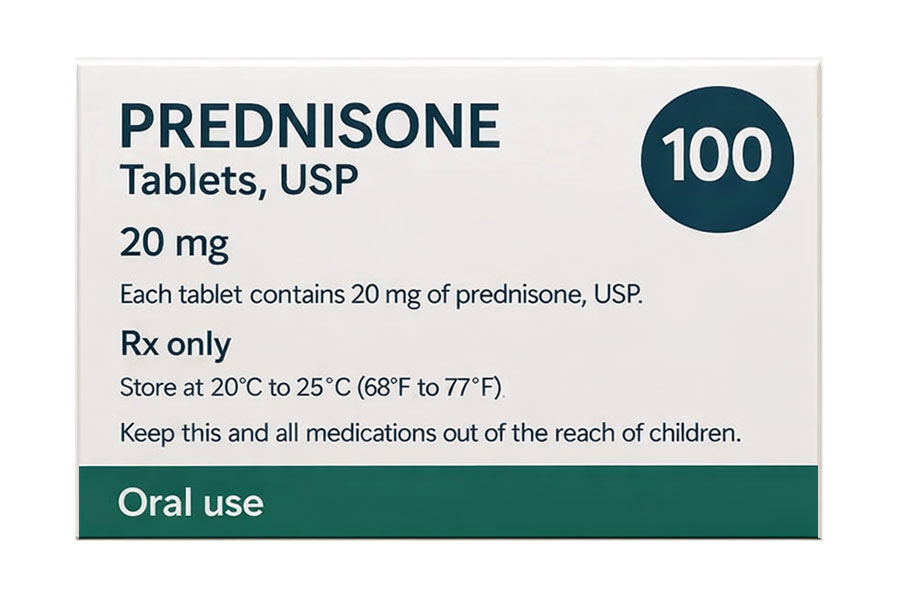
Prednisone - a systemic corticosteroid broad therapeutic applications
Prednisone occupies a distinguished position among systemic corticosteroids due to its reliable anti-inflammatory and immunomodulatory profile, which has been refined and validated over decades of clinical use. As an orally administered prodrug that converts to the active metabolite prednisolone in the liver, it offers a predictable pharmacokinetic pattern and a high degree of flexibility in dosing regimens. This combination of biochemical elegance and clinical practicality allows Prednisone to be integrated into a wide spectrum of therapeutic strategies, ranging from brief interventions for self-limited conditions to prolonged courses in complex chronic diseases. The molecule stands out because it can rapidly suppress pathological immune responses while still being amenable to precise titration, stepwise reduction, and individualized adjustment.
The breadth of Prednisone's applications is one of its most remarkable strengths. It is routinely incorporated into therapeutic algorithms for autoimmune disorders, allergic conditions, respiratory pathologies, hematologic diseases, certain oncologic protocols, and many other systemic inflammatory states. Such versatility stems from its capacity to modulate multiple layers of immune signaling simultaneously, dampening both innate and adaptive pathways that drive tissue damage. Rather than targeting a single receptor or cytokine, Prednisone exerts a coordinated influence across an entire inflammatory cascade, which often translates into rapid symptomatic relief and objective improvement in disease markers. This pleiotropic activity grants the drug a central role where multifactorial inflammation would otherwise remain uncontrolled.
Another defining advantage of Prednisone lies in the wide range of available strengths and formulations, which supports precise tailoring of therapy to individual needs. Tablets with multiple dosage strengths, oral solutions, and sometimes dispersible forms make it feasible to adjust daily intake with fine granularity, accommodate swallowing difficulties, and adapt to age-related or comorbidity-related constraints. Dose flexibility is particularly valuable in tapering strategies, where gradual reduction helps synchronize the recovery of endogenous hypothalamic–pituitary–adrenal function with the waning pharmacologic effect. This capacity for nuanced dose modulation enhances both the safety and the durability of therapeutic benefit, especially in long-term regimens that require careful balancing of efficacy and tolerability.
From a pharmacological perspective, Prednisone is often considered a reference standard against which other systemic glucocorticoids are evaluated. Its intermediate duration of action provides a favorable compromise between rapid onset and manageable accumulation, allowing once-daily or split dosing patterns depending on clinical objectives. The well-characterized equivalence to other steroids, such as methylprednisolone or hydrocortisone, simplifies conversion when therapeutic circumstances change or when specific pharmacokinetic nuances are desired. This benchmarking role permeates clinical research, guideline development, and practical decision-making, reinforcing Prednisone's status as a foundational agent in systemic anti-inflammatory therapy.
The enduring prominence of Prednisone in modern pharmacotherapy reflects not only historical familiarity but also a consistent record of efficacy across diverse populations and disease stages. Its use is supported by extensive trial data, observational cohorts, and real-world experience that together outline both its therapeutic potential and its risk profile with remarkable clarity. As new biologic agents and targeted small molecules emerge, Prednisone continues to serve as a versatile partner, a rescue option, and, in many settings, a first-line systemic agent when rapid, reliable control of inflammation is required. This combination of legacy, adaptability, and scientifically grounded performance secures Prednisone a distinguished place in contemporary therapeutic practice.
Primary pharmacological properties of Prednisone
The pharmacological profile of Prednisone is defined by its glucocorticoid activity, which exerts profound effects on carbohydrate, protein, and lipid metabolism while simultaneously modulating immune and inflammatory processes. After oral administration, Prednisone is absorbed from the gastrointestinal tract and converted in the liver to prednisolone, the active form that binds to intracellular glucocorticoid receptors. This receptor-ligand complex then moves into the cell nucleus, where it interacts with specific DNA sequences to regulate gene transcription. Through this genomic mechanism, Prednisone influences the production of numerous proteins involved in inflammatory signaling, cellular proliferation, and metabolic regulation, giving rise to a broad spectrum of systemic effects.
One of the most celebrated pharmacological properties of Prednisone is its capacity to suppress the synthesis of pro-inflammatory mediators. By inhibiting transcription factors such as NF-κB and AP-1, Prednisone reduces the expression of cytokines, chemokines, adhesion molecules, and enzymes like cyclooxygenase-2 that drive inflammation and tissue injury. This molecular action translates into diminished leukocyte migration to sites of inflammation, reduced vascular permeability, and a lower intensity of local inflammatory responses. The outcome is a rapid reduction in swelling, warmth, pain, and functional impairment in affected tissues, which often becomes evident within hours to days after therapy initiation.
Beyond its anti-inflammatory impact, Prednisone exerts a powerful immunosuppressive effect that can be harnessed in conditions where immune overactivity threatens organ integrity. The drug reduces circulating lymphocyte counts, particularly T cells, and interferes with antigen presentation and cytokine-driven clonal expansion. As a result, pathological immune responses against self-antigens or transplanted tissues are attenuated, decreasing the risk of progressive damage in autoimmune diseases and certain transplant contexts. This immunological recalibration is dose dependent, allowing modulation from mild dampening of immune reactivity to profound suppression when clinically justified, thereby offering a wide therapeutic window for individualized strategies.
Metabolic effects are another key dimension of Prednisone's pharmacology. The drug promotes gluconeogenesis and reduces peripheral glucose utilization, which can lead to elevated blood glucose levels, particularly at higher doses or during prolonged courses. It also influences protein catabolism and lipid redistribution, contributing to characteristic changes in body composition such as muscle wasting and central adiposity when used chronically. While these effects are often framed as adverse, they are mechanistically intertwined with the glucocorticoid's capacity to mobilize energy substrates during stress and inflammation. Recognizing this dual nature helps contextualize both the benefits and the risks associated with systemic corticosteroid therapy.
Pharmacokinetic features further shape the clinical behavior of Prednisone. Its intermediate half-life supports once-daily dosing in many indications, while more frequent administration can be employed when sustained coverage is needed across a 24-hour cycle. Hepatic conversion to prednisolone means that liver function can influence both onset and magnitude of effect, although in typical circumstances this biotransformation is efficient and consistent. The drug's high oral bioavailability, predictable absorption, and well-studied drug–drug interaction profile contribute to a sense of therapeutic reliability. These properties collectively position Prednisone as a pharmacologically robust option where systemic control of inflammation and immunity is a central objective.
Mechanism of action of Prednisone and its impact on the inflammatory process
The mechanism of action of Prednisone is rooted in its role as a synthetic glucocorticoid that modulates gene expression across a wide range of immune and structural cells. After hepatic conversion to prednisolone, the active compound diffuses across cell membranes and binds to cytoplasmic glucocorticoid receptors. This binding induces a conformational change that liberates the receptor from associated chaperone proteins, allowing the complex to translocate into the nucleus. Once there, it interacts with glucocorticoid response elements on DNA, either promoting or suppressing the transcription of target genes. This genomic regulation constitutes the backbone of Prednisone's influence on inflammation, immunity, and tissue homeostasis.
Within the inflammatory cascade, Prednisone exerts a multi-tiered suppressive effect that interrupts both initiation and amplification phases. By downregulating key transcription factors such as NF-κB and AP-1, Prednisone decreases the expression of pro-inflammatory cytokines including interleukins, tumor necrosis factor, and interferons. Simultaneously, it reduces the production of chemokines and adhesion molecules that would otherwise guide leukocytes to inflamed tissues and facilitate their extravasation. This broad dampening of signaling not only curtails the recruitment and activation of immune cells but also stabilizes endothelial barriers, thereby reducing tissue edema and exudation. The net effect is a swift attenuation of the inflammatory milieu that underlies many acute and chronic conditions.
Prednisone also directly influences the behavior and survival of key cellular players in inflammation. Neutrophils experience altered trafficking, with increased circulating counts but reduced ability to migrate into tissues, while macrophages and dendritic cells show diminished antigen-presenting capacity and reduced secretion of inflammatory mediators. T lymphocytes are particularly sensitive, with impaired proliferation, differentiation, and cytokine production under glucocorticoid exposure. B-cell function and antibody production can also be modulated, especially at higher doses or with prolonged therapy. Through this coordinated reshaping of cellular responses, Prednisone transforms a hyperactive, self-sustaining inflammatory network into a more quiescent state that favors tissue recovery.
A notable aspect of Prednisone's mechanism is its capacity to enhance the expression of anti-inflammatory mediators and protective proteins. The drug upregulates lipocortin-1 (annexin A1), which inhibits phospholipase A2 and thereby reduces the release of arachidonic acid, a precursor of prostaglandins and leukotrienes. This mechanism underlies much of the reduction in pain, fever, and vascular changes that characterize steroid response. Prednisone also promotes the production of anti-inflammatory cytokines such as interleukin-10 and supports the expression of proteins that counter oxidative stress and apoptosis in certain contexts. This dual action—suppressing pro-inflammatory signals while fostering protective pathways—contributes to a more balanced and sustained therapeutic effect.
The downstream clinical impact of these molecular events becomes evident across a wide range of organ systems. In the respiratory tract, reduced mucosal edema, mucus production, and inflammatory cell infiltration translate into improved airflow and symptom relief. In joints and connective tissues, decreased synovial inflammation and modulation of destructive enzymes help preserve structure and function. In vascular and cutaneous tissues, stabilization of capillary permeability and suppression of immune complex–mediated damage lead to visible and measurable improvements. By orchestrating these changes at the molecular and cellular level, Prednisone reshapes the inflammatory landscape in a manner that aligns closely with therapeutic goals in diverse clinical scenarios.
Clinical situations in which Prednisone remains in demand
Prednisone retains a central role in numerous clinical situations where rapid and comprehensive control of inflammation or immune activity is required. Autoimmune diseases such as systemic lupus erythematosus, rheumatoid arthritis, vasculitides, and autoimmune cytopenias frequently incorporate Prednisone as a key component of induction or flare management regimens. The drug's ability to quickly downregulate immune-mediated tissue damage provides a critical bridge while slower-acting disease-modifying agents or biologics take effect. In many of these conditions, Prednisone functions as both a rescue therapy during exacerbations and a stabilizing agent during transitions between long-term treatment strategies, underscoring its enduring value.
Allergic and hypersensitivity conditions also highlight the ongoing demand for Prednisone. Severe urticaria, angioedema not driven by bradykinin pathways, drug eruptions, and complex atopic manifestations often respond swiftly to systemic corticosteroid intervention. Prednisone can interrupt the allergic cascade at multiple levels, reducing mediator release, cellular recruitment, and vascular changes that produce pruritus, swelling, and erythema. In such scenarios, its use is typically time-limited yet crucial, preventing progression to more severe manifestations and supporting recovery when topical or antihistamine therapies prove insufficient. This capacity to provide decisive systemic control in acute allergic crises contributes to its persistent utilization.
- Autoimmune and rheumatologic diseases with active systemic inflammation
- Severe allergic and hypersensitivity reactions unresponsive to local measures
- Respiratory exacerbations, including asthma and certain forms of COPD
- Hematologic disorders such as immune thrombocytopenia or hemolytic anemia
- Oncologic protocols where glucocorticoids enhance cytotoxic regimens or control symptoms
Hematologic and oncologic applications further demonstrate the versatility of Prednisone. In immune thrombocytopenia, autoimmune hemolytic anemia, and some forms of bone marrow failure, Prednisone helps restore cellular counts by attenuating immune-mediated destruction and modulating marrow microenvironments. Within oncology, it is frequently integrated into multi-agent chemotherapy protocols for lymphoid malignancies, contributing both direct cytotoxic effects on certain malignant cells and symptomatic relief from treatment-related inflammation and edema. This dual role—disease-modifying and supportive—renders Prednisone a valuable ally in complex therapeutic regimens aimed at aggressive or systemic pathologies.
Respiratory medicine continues to rely on Prednisone in specific, high-impact situations. Acute exacerbations of asthma and certain forms of chronic obstructive pulmonary disease (COPD) often respond dramatically to short systemic courses, with improved lung function, decreased hospitalizations, and faster recovery. Prednisone is also used in selected interstitial lung diseases, hypersensitivity pneumonitis, and conditions such as sarcoidosis, where immune-driven inflammation compromises pulmonary architecture. In these contexts, the drug's ability to penetrate systemic circulation and reach inflamed parenchyma confers an advantage over purely local treatments, particularly during severe or rapidly progressing episodes.
Beyond these well-known domains, Prednisone remains important in a variety of organ-specific and systemic conditions, including certain nephropathies, neurologic inflammatory disorders, and dermatologic diseases that extend beyond the reach of topical therapy. Its role may vary from primary therapeutic agent to bridging or adjunctive therapy, yet its presence in treatment algorithms is remarkably consistent. This wide-ranging applicability demonstrates how a single, well-characterized glucocorticoid can provide meaningful benefit across many specialties, especially when individualized dosing, vigilant monitoring, and thoughtful integration with other therapies are employed.
| Clinical Area | Representative Conditions | Primary Therapeutic Goal | Typical Role of Prednisone |
|---|---|---|---|
| Autoimmune and rheumatologic | Systemic lupus, rheumatoid arthritis, vasculitis | Rapid suppression of systemic inflammation and organ protection | Induction of remission and flare control, often alongside DMARDs |
| Allergy and immunology | Severe urticaria, angioedema, complex atopic disease | Short-term control of hypersensitivity manifestations | Time-limited systemic therapy when local or oral non-steroid agents are insufficient |
| Respiratory medicine | Asthma exacerbations, selected COPD flares, sarcoidosis | Restoration of airflow and prevention of respiratory compromise | Short-course systemic steroid or longer course in selected parenchymal diseases |
| Hematology and oncology | Immune cytopenias, lymphoid malignancies | Immune modulation and enhancement of antineoplastic regimens | Core component of combination protocols and supportive therapy |
| Nephrology and others | Glomerulonephritides, systemic inflammatory syndromes | Preservation of organ function and attenuation of immune injury | Systemic agent within multi-drug immunosuppressive strategies |
Access to Prednisone - what patients should know
Access to Prednisone is shaped by its status as a potent systemic corticosteroid with far-reaching physiological effects, which means its availability is usually regulated through prescription frameworks. This regulatory approach reflects the need for thoughtful evaluation of indications, dosing, and duration before therapy begins. The drug is widely stocked in community pharmacies and hospital settings across many regions, reflecting its central role in managing diverse inflammatory and immune-mediated conditions. Its presence in essential medicine lists in numerous countries further underscores its perceived necessity and the priority placed on ensuring that individuals who require systemic glucocorticoid therapy can obtain it without undue barriers.
Formulation diversity enhances the practicality of accessing Prednisone for different age groups and clinical contexts. Tablets in multiple strengths allow fine-tuned dosing adjustments, while oral solutions can support individuals who experience difficulty swallowing solid dosage forms or who require small, precise doses. Blister packaging and clear labeling facilitate adherence and help reduce confusion when dose tapering schedules involve stepwise reductions. Many health systems include Prednisone in reimbursement or insurance formularies, which can significantly reduce out-of-pocket costs and help maintain continuity of therapy, especially for individuals with chronic or relapsing conditions that require repeated courses.
Economic accessibility is another crucial dimension, as Prednisone is generally available at a relatively modest cost compared with many newer immunomodulatory or biologic agents. The widespread production of generic formulations contributes to competitive pricing and stable supply chains, reducing the likelihood of shortages that could disrupt therapy. For individuals managing long-term inflammatory diseases, this affordability can make the difference between consistent treatment and intermittent, suboptimal use. Reliable access at a sustainable cost supports adherence to prescribed regimens and contributes to better control of disease activity over time.
Information accessibility surrounding Prednisone has expanded significantly, with detailed drug monographs, patient leaflets, and educational materials widely disseminated through pharmacies, healthcare institutions, and reputable online platforms. These resources generally describe indications, dosing principles, potential adverse effects, and special considerations such as gradual dose reduction after prolonged use. Clear, comprehensible information empowers individuals to participate actively in therapeutic decisions, recognize early signs of intolerance, and appreciate the rationale behind specific dosing schedules. When information is transparent and readily available, the perceived complexity of systemic corticosteroid therapy becomes more manageable for those receiving it.
Global health perspectives also highlight the strategic value of Prednisone in resource-limited settings. In regions where advanced biologic therapies or specialized immunomodulators may be scarce or prohibitively expensive, Prednisone often provides a realistic and effective option for controlling serious inflammatory conditions. Its stability, ease of storage at room temperature, and straightforward oral administration make it particularly suitable for decentralized care environments. By remaining accessible, affordable, and adaptable across varied health systems, Prednisone continues to serve as a cornerstone therapeutic tool that bridges gaps between high-technology medicine and practical, scalable care.
Choosing between the original brand and generic formulations
The decision between original brand Prednisone and its generic counterparts frequently arises in everyday therapeutic planning, reflecting both economic considerations and perceptions of quality. Original brand products are typically introduced to the market first, supported by extensive clinical trial data, proprietary manufacturing processes, and robust quality assurance programs. These originator formulations set the reference standard in terms of dosage strength, release characteristics, and clinical performance. When patents expire, generic manufacturers enter the market with products that must demonstrate bioequivalence to the original, meaning that the rate and extent of absorption of the active ingredient fall within a narrowly defined range compared with the reference product.
Generic Prednisone formulations contain the same active ingredient and are produced under regulatory standards that require strict control of purity, potency, and manufacturing consistency. Regulatory agencies generally mandate that generics match the reference product in strength, dosage form, route of administration, and intended use. Minor differences in excipients, tablet size, or appearance may exist, but these are not expected to alter therapeutic performance for the vast majority of individuals. As a result, generic Prednisone has become the default option in many healthcare systems, offering equivalent clinical outcomes at a lower cost and thereby extending access to effective systemic corticosteroid therapy.
- Brand formulations may appeal to those who value continuity with the original clinical trial product.
- Generics provide cost savings that can support long-term adherence and broader access.
- Regulatory bioequivalence standards help ensure similar systemic exposure across products.
- Differences in excipients may be relevant in rare cases of specific sensitivities.
- Stable supply chains for both brand and generic products enhance treatment continuity.
Economic aspects strongly favor generic Prednisone in many settings, as lower acquisition costs translate into reduced expenditures for individuals and health systems alike. For chronic conditions that require repeated or prolonged courses of therapy, even modest price differences can accumulate into substantial financial impact. Insurance plans and national formularies often prioritize generics for this reason, sometimes requiring specific justification for the use of brand products. When cost barriers are minimized, adherence to prescribed regimens generally improves, and the likelihood of unplanned interruptions in therapy diminishes, which can be particularly beneficial for conditions where consistent inflammatory control is paramount.
Perceptions of quality and trust play a subtle but influential role in the brand-versus-generic discussion. Some individuals express concern that generics may differ in effectiveness or tolerability, especially if they have experienced subjective changes when switching between products. While robust regulatory frameworks are designed to prevent clinically meaningful discrepancies, individual experiences can still shape preferences. Transparent communication about the principles of bioequivalence, manufacturing oversight, and post-marketing surveillance can help align expectations with scientific evidence. Over time, many individuals develop confidence in generic Prednisone as they observe stable disease control and consistent tolerability.
Supply stability and availability further influence the choice between brand and generic formulations. In some regions, generics may be more readily obtainable, while in others, the original brand maintains a dominant presence. Pharmacies may substitute one generic manufacturer for another based on supply contracts, which can result in changes in tablet appearance even when the active ingredient and dose remain identical. Clear labeling and careful record-keeping help maintain continuity and avoid confusion when such substitutions occur. When both brand and generic options are reliably available, the choice can be tailored to economic priorities, individual preferences, and any specific considerations related to excipients or formulation characteristics.
| Feature | Original Brand Prednisone | Generic Prednisone | Clinical Implication |
|---|---|---|---|
| Active ingredient | Prednisone, reference formulation | Prednisone, bioequivalent formulation | Comparable systemic exposure and expected therapeutic effect |
| Cost profile | Typically higher acquisition cost | Generally lower cost due to market competition | Generics may improve affordability and long-term adherence |
| Excipients | Proprietary combination of inactive ingredients | May differ in fillers, binders, or coloring agents | Rarely relevant, but can matter in specific excipient sensitivities |
| Regulatory requirements | Full clinical development and approval dossier | Bioequivalence demonstration and quality standards | Both categories undergo rigorous oversight for safety and efficacy |
| Availability | May be limited in some markets | Widely distributed and often first-line in formularies | Generics frequently ensure more consistent access in routine practice |
Indications for the use of Prednisone in respiratory diseases
Prednisone holds a prominent position in the management of respiratory diseases characterized by significant inflammatory components, where systemic modulation of immune responses can swiftly alter the clinical trajectory. Asthma represents one of the clearest examples, particularly during moderate to severe exacerbations in which airway inflammation, bronchial hyperreactivity, and mucus overproduction converge to impair airflow. In such settings, systemic Prednisone complements inhaled therapies by reaching distal airway segments and attenuating inflammation that may be inaccessible to local drug deposition alone. The result is a decisive reduction in airway edema and inflammatory cell infiltration, supporting more rapid restoration of functional respiratory capacity.
Chronic obstructive pulmonary disease (COPD) provides another important field where Prednisone is selectively employed. During acute exacerbations, systemic corticosteroids such as Prednisone can shorten recovery time, improve lung function, and reduce the risk of early relapse when used for appropriate durations. The drug acts on the complex inflammatory milieu characteristic of COPD, which often involves neutrophilic and macrophage-driven pathways that contribute to airflow limitation and symptom burden. While long-term maintenance with systemic steroids is generally avoided due to adverse effect profiles, targeted short courses during exacerbations can substantially improve outcomes and reduce healthcare utilization, highlighting Prednisone's strategic value.
- Moderate to severe asthma exacerbations requiring systemic anti-inflammatory coverage
- COPD exacerbations with increased dyspnea, sputum volume, or sputum purulence
- Selected interstitial lung diseases with active inflammatory components
- Sarcoidosis involving pulmonary parenchyma or hilar lymphadenopathy
- Hypersensitivity pneumonitis where antigen-driven inflammation dominates
Beyond obstructive airway diseases, Prednisone is frequently utilized in interstitial and parenchymal lung disorders where immune-mediated inflammation threatens structural integrity. Sarcoidosis, with its characteristic noncaseating granulomas, often responds to systemic corticosteroids, especially when pulmonary involvement leads to functional impairment or progressive radiographic changes. Similarly, certain forms of hypersensitivity pneumonitis and organizing pneumonia show favorable responses to Prednisone, with regression of inflammatory infiltrates and improvement in gas exchange. In these conditions, systemic therapy addresses diffuse parenchymal processes that would be inaccessible to inhaled agents, underscoring the need for a drug capable of reaching the entire pulmonary vascular and interstitial network.
Prednisone also plays a role in specific post-infectious or immune-mediated respiratory syndromes, where persistent inflammation lingers after the initial trigger has been controlled. Examples include post-infectious organizing pneumonia and some forms of eosinophilic lung disease, where elevated eosinophil counts and inflammatory mediators drive ongoing respiratory symptoms and radiologic abnormalities. By targeting the underlying immune dysregulation, Prednisone can accelerate resolution and reduce the risk of chronic structural changes. Such indications exemplify how a well-timed systemic corticosteroid course can alter long-term respiratory trajectories by preventing fibrotic remodeling and preserving lung architecture.
In clinical practice, the integration of Prednisone into respiratory care reflects a nuanced balance between its potent benefits and its systemic nature. For acute, severe presentations, the rapid anti-inflammatory effect can be life-preserving, shortening hospital stays and decreasing the need for intensive interventions. For subacute or chronic inflammatory lung diseases, carefully designed courses can achieve symptom control and stabilize function while minimizing exposure duration. Across these diverse indications, Prednisone serves as a powerful systemic ally that complements inhaled and non-steroidal therapies, offering a level of anti-inflammatory intensity that remains difficult to match with alternative agents.
The role of Prednisone in the treatment of acute asthma exacerbations
Acute asthma exacerbations represent high-stakes clinical events in which airway inflammation, bronchoconstriction, and mucus plugging combine to restrict airflow and jeopardize gas exchange. Prednisone plays a pivotal role in reversing the inflammatory component of this process, complementing rapid-acting bronchodilators that primarily target smooth muscle constriction. While inhaled corticosteroids form the backbone of long-term asthma control, systemic Prednisone becomes essential during moderate to severe exacerbations when local therapy alone cannot adequately penetrate inflamed airway segments. By delivering a robust systemic anti-inflammatory signal, Prednisone helps dismantle the pathophysiologic mechanisms that perpetuate acute bronchial obstruction.
The pharmacodynamic profile of Prednisone aligns closely with the needs of acute asthma management. After oral administration, the drug is rapidly converted to prednisolone, which exerts potent effects on eosinophils, T lymphocytes, mast cells, and other immune elements central to asthmatic inflammation. Cytokine production, chemokine release, and adhesion molecule expression all decline under the influence of systemic corticosteroid therapy, resulting in decreased recruitment and activation of inflammatory cells within the bronchial mucosa. This molecular shift translates into reduced airway edema, less mucus secretion, and a gradual restoration of luminal diameter, thereby enhancing the effectiveness of concurrently administered bronchodilators.
Prednisone also contributes significantly to the prevention of early relapse following an acute asthma episode. Without systemic corticosteroid coverage, the inflammatory drive underlying an exacerbation may persist even after initial symptomatic relief from bronchodilators, leading to recurrent symptoms and repeated healthcare visits. Short courses of Prednisone stabilize the airway environment, allowing time for inhaled controller therapies to regain full impact and for environmental triggers to be addressed. This stabilizing effect is particularly valuable in individuals with a history of frequent exacerbations or those who present with severe airflow limitation at baseline, as it helps break cycles of recurrent acute deterioration.
- Rapid reduction of eosinophilic and lymphocytic airway inflammation
- Enhanced response to short-acting and long-acting bronchodilators
- Prevention of early relapse after initial improvement in symptoms
- Decreased need for hospitalization and intensive respiratory support
- Support for recovery of lung function toward baseline values
The impact of Prednisone on clinical outcomes during asthma exacerbations is reflected in improvements in peak expiratory flow, forced expiratory volume, symptom scores, and hospitalization metrics. Individuals receiving timely systemic corticosteroid therapy often experience faster resolution of dyspnea, wheeze, and nocturnal symptoms, along with reduced risk of treatment failure. The drug's reliability in achieving these endpoints has established it as a cornerstone of acute asthma protocols worldwide. When integrated thoughtfully with oxygen therapy, bronchodilation, and trigger management, Prednisone contributes to a coordinated, multi-pronged approach that restores respiratory stability.
From a broader perspective, the role of Prednisone in acute asthma care extends beyond immediate symptom control to shaping longer-term disease trajectories. Effective suppression of severe inflammatory flares reduces the cumulative burden of airway injury, potentially limiting the progression toward fixed airflow limitation and structural remodeling. Each well-managed exacerbation represents an opportunity to protect bronchial architecture and preserve pulmonary reserve. In this sense, Prednisone functions not only as an acute rescue agent but also as a strategic tool in safeguarding long-term respiratory health in individuals living with asthma.
Use of Prednisone in bronchitis and obstructive conditions
Prednisone occupies a selective yet influential role in the management of bronchitis and obstructive airway conditions, particularly when inflammation extends beyond transient, self-limited irritation. In chronic obstructive pulmonary disease (COPD), acute exacerbations frequently involve heightened airway and parenchymal inflammation, increased sputum production, and worsening airflow limitation. Systemic corticosteroids such as Prednisone can substantially improve outcomes in these scenarios by reducing inflammatory burden, shortening recovery time, and decreasing the likelihood of early relapse. These benefits are especially evident in moderate to severe exacerbations, where baseline lung function is already compromised and the margin for further decline is narrow.
In the context of acute bronchitis, the role of Prednisone is more nuanced and depends heavily on the underlying pathophysiology and comorbid respiratory conditions. Simple viral bronchitis in otherwise healthy individuals typically resolves without the need for systemic steroids, as the inflammatory process is self-limited and does not produce sustained airflow obstruction. However, when bronchitis occurs in the setting of asthma, COPD, or other chronic airway diseases, the inflammatory response can be amplified and prolonged, leading to significant bronchospasm and mucus plugging. In these complex scenarios, Prednisone may be introduced as part of a targeted strategy to dampen airway inflammation and restore functional capacity.
Obstructive conditions beyond classic COPD and asthma, such as bronchiectasis and certain small airway diseases, may also involve episodic or chronic inflammation that responds to systemic corticosteroids. In bronchiectasis, for example, recurrent infections and persistent inflammation can cause progressive airway dilation and destruction. While long-term systemic steroid use is generally approached with caution, short courses of Prednisone during severe inflammatory flares may help reduce edema, sputum volume, and dyspnea. Similarly, in some forms of obliterative bronchiolitis or other rare obstructive syndromes, carefully considered systemic steroid therapy can contribute to symptom relief and stabilization when inflammatory processes are prominent.
- COPD exacerbations with marked inflammatory activity and airflow decline
- Asthma–COPD overlap syndromes experiencing acute worsening
- Bronchitis superimposed on chronic airway diseases with significant obstruction
- Selected cases of bronchiectasis with intense inflammatory flares
- Rare small airway disorders with an inflammatory component
The therapeutic contribution of Prednisone in these obstructive contexts is closely tied to its ability to reduce airway wall thickening, mucosal edema, and inflammatory cell infiltration. By modulating cytokine networks and cellular recruitment, Prednisone facilitates improved airflow and enhances the efficacy of bronchodilators and airway clearance techniques. This synergy can translate into fewer days of disabling symptoms, reduced need for acute care services, and a smoother return to baseline function. The drug's systemic reach ensures that even distal and diffusely affected airways receive anti-inflammatory coverage, a task that can be challenging for inhaled therapies alone during severe exacerbations.
As with other respiratory indications, the use of Prednisone in bronchitis and obstructive conditions is most impactful when integrated into a comprehensive management framework that addresses infection control, environmental exposures, vaccination status, and long-term maintenance strategies. Systemic corticosteroids often act as a powerful yet time-limited intervention that opens a window for recovery and optimization of chronic regimens. When deployed judiciously in well-selected scenarios, Prednisone can transform the course of obstructive exacerbations, reduce cumulative lung damage, and support a more stable respiratory trajectory over time.
Differences between systemic corticosteroids and inhaled forms
The distinction between systemic corticosteroids such as Prednisone and inhaled corticosteroid (ICS) formulations represents a fundamental concept in respiratory pharmacotherapy. Systemic agents are designed to deliver glucocorticoid activity throughout the body via oral or parenteral routes, affecting multiple organ systems and immune compartments. In contrast, inhaled corticosteroids aim to concentrate their effect within the airways, minimizing systemic exposure by targeting local tissues and leveraging first-pass metabolism of any swallowed fraction. This divergence in distribution patterns shapes both the therapeutic potential and the adverse effect profiles associated with each modality.
Systemic corticosteroids like Prednisone exert a broad anti-inflammatory impact that reaches beyond the respiratory tract, influencing circulating leukocytes, lymphoid tissues, and distant organs affected by systemic immune activation. This global reach is particularly advantageous in severe or widespread inflammatory conditions, where localized therapy cannot adequately address the full burden of disease. However, the same systemic distribution underlies the potential for effects on glucose metabolism, bone density, muscle mass, and other physiological domains. The capacity to modulate inflammation at multiple levels must therefore be balanced against the need to limit cumulative exposure and monitor for systemic consequences, especially during prolonged courses.
Inhaled corticosteroids, by contrast, are optimized for chronic maintenance therapy in conditions such as asthma and certain forms of COPD with eosinophilic features. Delivered directly to the bronchial tree, ICS molecules achieve high local concentrations at the site of inflammation while maintaining relatively low systemic absorption when used at standard doses. This targeted approach effectively controls airway inflammation in many individuals, reducing symptoms, exacerbations, and the need for systemic steroids. The risk of systemic adverse effects is lower with inhaled therapy, although local issues such as oropharyngeal candidiasis and dysphonia can occur, particularly in the absence of appropriate inhaler technique and oral hygiene measures.
- Systemic corticosteroids provide whole-body anti-inflammatory coverage.
- Inhaled corticosteroids focus their action on the bronchial mucosa and airways.
- Systemic therapy is favored for severe, acute, or extrapulmonary inflammation.
- Inhaled therapy is preferred for long-term control of chronic airway diseases.
- Risk profiles differ substantially, guiding duration and intensity of use.
From a strategic standpoint, systemic and inhaled corticosteroids are often used in complementary fashion rather than as direct competitors. During acute severe exacerbations, systemic Prednisone provides rapid, comprehensive suppression of airway and systemic inflammation, while inhaled corticosteroids help maintain control and prevent future flares once stability is restored. This layered approach allows each modality to play to its strengths: systemic therapy for short-term, high-intensity intervention and inhaled therapy for sustained, focused maintenance. Such synergy exemplifies how thoughtful pharmacologic design can harness the advantages of both delivery routes in pursuit of durable respiratory health.
The choice between systemic and inhaled corticosteroids, or the decision to combine them, depends on disease severity, pattern of exacerbations, comorbidities, and individual responsiveness. Systemic Prednisone remains indispensable when inflammation extends beyond the reach of inhaled particles or when the urgency of the situation demands maximal anti-inflammatory power. Inhaled formulations, meanwhile, offer a refined, long-term solution that aligns with the goal of minimizing systemic exposure while preserving robust airway control. Recognizing these differences allows tailored therapeutic plans that optimize benefits, limit risks, and support stable respiratory function across a spectrum of clinical scenarios.
Short-term and course-based use of Prednisone
Prednisone's versatility is vividly expressed in its capacity to support both short-term interventions and structured course-based regimens. Short-term use often involves brief, high-intensity exposures designed to quell acute inflammatory surges, such as asthma or COPD exacerbations, acute allergic reactions, or flare-ups of autoimmune disease. These short bursts of systemic corticosteroid therapy can rapidly reverse symptoms, prevent progression to more severe states, and create a therapeutic window for other agents to exert their effects. The finite duration of such courses helps limit cumulative exposure and reduce the likelihood of longer-term adverse effects while still leveraging the full anti-inflammatory potency of Prednisone.
Course-based use extends beyond isolated short bursts to encompass planned regimens of days to weeks, sometimes with carefully structured tapers. Such courses are common in conditions where inflammation is intense but expected to subside over a predictable timeframe, such as certain vasculitides, organizing pneumonias, or immune-mediated neurologic or dermatologic disorders. The goal is to sustain an adequate level of glucocorticoid activity long enough to break the cycle of inflammation, allow tissue repair, and stabilize the clinical picture. Tapering schedules are often incorporated to facilitate gradual reduction in dose, accommodating both the pharmacologic needs of the disease and the physiology of the hypothalamic–pituitary–adrenal axis.
Pulse therapy represents a specialized form of course-based use, where very high doses of systemic corticosteroids are administered for a short sequence of days, sometimes followed by a more conventional oral taper. Although more commonly associated with intravenous methylprednisolone, pulse strategies can also involve high-dose oral Prednisone in selected situations. This approach aims to deliver an intense, concentrated anti-inflammatory signal that can rapidly control life-threatening or organ-threatening immune activity. The subsequent course-based phase then consolidates the gains achieved during the pulse, gradually transitioning toward lower doses or alternative maintenance therapies as the condition stabilizes.
- Short bursts targeting acute flares in asthma, COPD, or allergic disease
- Intermediate-length courses for subacute autoimmune or inflammatory syndromes
- Pulse regimens for severe, organ-threatening immune activation
- Tapered schedules that synchronize disease control with adrenal axis recovery
- Bridge strategies linking acute control to long-term maintenance therapies
Prednisone is also frequently used as a bridging agent when initiating slower-acting immunomodulatory treatments. Disease-modifying antirheumatic drugs, certain biologics, and other targeted therapies may require weeks to months to reach full effectiveness. During this interval, course-based Prednisone can maintain symptom control and prevent disease progression, then be tapered as the new agent assumes the primary therapeutic role. This bridging strategy allows individuals to avoid prolonged periods of uncontrolled inflammation, which can accelerate tissue damage and impair quality of life. When carefully planned, such regimens minimize overlap at high doses while ensuring a seamless transition between therapeutic phases.
Across all these patterns of use, the unifying theme is the deliberate alignment of Prednisone exposure with the temporal dynamics of the disease process. Short-term bursts address immediate threats, intermediate courses tackle subacute inflammatory cycles, and specialized regimens manage severe or rapidly evolving conditions. By tailoring duration, intensity, and tapering to the specific clinical context, Prednisone can be deployed as a precise and adaptable tool rather than a blunt instrument. This strategic flexibility is one of the reasons the drug maintains such a prominent and enduring place in modern therapeutic arsenals.
Recommended dosages and duration of different treatment courses
Dosage and duration decisions for Prednisone are guided by the nature and severity of the underlying condition, as well as individual factors such as age, comorbidities, and prior exposure to glucocorticoids. In acute respiratory exacerbations, for example, short courses with moderate doses are often sufficient to achieve rapid clinical improvement. In contrast, systemic autoimmune diseases with organ involvement may require higher initial doses followed by gradual tapering over weeks or months. The art and science of dosing Prednisone lie in delivering enough anti-inflammatory power to control disease activity while avoiding unnecessary prolongation of high-dose exposure, which can magnify adverse effect risks.
Short-course regimens typically span a few days to two weeks and are widely used in asthma and COPD exacerbations, acute allergic reactions, and certain dermatologic or rheumatologic flares. In these scenarios, daily doses are selected to exert strong systemic effects without reaching the highest ranges reserved for organ-threatening disease. Fixed-duration schedules, sometimes without tapering when the course is very brief, offer simplicity and reduce the risk of confusion. The focus is on rapid symptom relief, functional recovery, and prevention of early relapse, with the expectation that underlying controller therapies or environmental modifications will sustain stability once the course concludes.
Intermediate and long-term regimens come into play when chronic or relapsing inflammatory diseases require sustained modulation. Initial doses may be higher to induce remission, followed by stepwise reductions as clinical and laboratory markers improve. Tapering strategies are crucial in this context, both to minimize withdrawal phenomena and to allow the hypothalamic–pituitary–adrenal axis to adapt to decreasing exogenous steroid levels. The pace of tapering is influenced by disease behavior; rapid improvement may permit quicker dose reductions, whereas persistent or recurrent activity often calls for a more cautious approach. Throughout this process, attention to cumulative dose and treatment duration helps balance therapeutic gains with long-term safety.
| Clinical Scenario | Typical Course Type | General Dose Range Concept | Usual Duration Concept |
|---|---|---|---|
| Asthma exacerbation | Short course | Moderate systemic dose once daily | Several days to about 1–2 weeks |
| COPD exacerbation | Short course | Moderate systemic dose, often once daily | Commonly around 5–14 days |
| Autoimmune flare without organ threat | Intermediate course with taper | Moderate to higher initial dose, then stepwise reduction | Weeks to a few months, adjusted to response |
| Severe systemic autoimmune disease | High-dose induction with prolonged taper | Higher initial doses, sometimes preceded by pulse therapy | Several months or longer, with gradual dose reduction |
| Bridging to slower-acting therapies | Course aligned with onset of alternative agent | Dose tailored to control symptoms until new therapy is effective | Variable, often weeks to months with taper as control stabilizes |
Special dosing strategies, such as alternate-day regimens, may be considered in selected chronic scenarios to reduce suppression of the adrenal axis and mitigate certain metabolic effects. While not suitable for all conditions, alternate-day dosing can be advantageous when disease activity allows periodic reductions in glucocorticoid exposure without loss of control. Such approaches require careful calibration, as underdosing on off-days may permit inflammatory breakthroughs, whereas overdosing can negate the intended safety advantages. Thoughtful adjustment and close observation support the successful implementation of these nuanced regimens.
Across the spectrum of dosing strategies, the guiding principle is to match the intensity and duration of Prednisone therapy to the evolving profile of the disease. High initial doses may be justified when organ function is threatened, yet should be scaled back as soon as sustained control is achieved. Short courses are favored when conditions are self-limited or when other therapies can quickly assume the primary role. By continuously aligning dosage and duration with clinical needs, Prednisone can deliver robust therapeutic benefits while maintaining a safety profile that supports long-term health.
Potential adverse effects and considerations for discontinuation
Prednisone’s far-reaching physiological effects, while therapeutically valuable, are accompanied by a spectrum of potential adverse reactions that merit careful attention. These reactions span metabolic, musculoskeletal, cardiovascular, dermatologic, neuropsychiatric, and immunologic domains, reflecting the central role of glucocorticoids in homeostatic regulation. Metabolic changes, including elevated blood glucose levels, weight gain, and alterations in lipid profiles, are among the most frequently discussed consequences, particularly at higher doses or with extended use. Such changes can unmask latent metabolic vulnerabilities or exacerbate pre-existing conditions, highlighting the importance of thoughtful dose selection and duration planning.
Musculoskeletal effects represent another major area of concern with prolonged Prednisone exposure. Glucocorticoid-induced osteoporosis, characterized by reduced bone mineral density and increased fracture risk, is a well-recognized phenomenon, especially in older individuals or those with additional risk factors. Muscle weakness and atrophy may also develop over time, contributing to reduced physical performance and functional independence. These musculoskeletal consequences arise from complex interactions between glucocorticoids and bone remodeling pathways, calcium metabolism, and protein turnover. Short-term courses rarely produce such outcomes, but cumulative exposure over months or years can substantially increase the likelihood of structural compromise.
Cardiovascular and fluid-balance effects add another layer of complexity to the adverse effect profile. Prednisone can promote sodium and water retention, leading to edema and potential exacerbation of hypertension or heart failure in susceptible individuals. Changes in lipid metabolism and glucose homeostasis may further influence cardiovascular risk over the long term. While these effects are generally dose and duration dependent, they underscore the need for thoughtful surveillance and, when appropriate, adjustments in concomitant therapies that address blood pressure, glycemic control, and lipid levels. A holistic view of cardiovascular health supports safer integration of Prednisone into long-term treatment plans.
Neuropsychiatric and immunologic consequences also warrant attention. Mood changes, sleep disturbances, irritability, and, in rare cases, more severe psychiatric manifestations can occur during systemic corticosteroid therapy, particularly at higher doses. These experiences may be transient yet impactful, influencing quality of life and adherence. Immunologically, Prednisone’s suppressive effects can increase susceptibility to certain infections or alter the presentation of inflammatory conditions, sometimes masking typical signs and delaying recognition. Balancing the need for immune modulation against the risk of impaired host defense is an integral part of responsible Prednisone use, especially in individuals with additional infection risk factors.
Considerations for discontinuation are closely linked to treatment duration, dose, and the status of the underlying disease. Abrupt cessation after prolonged or high-dose therapy can precipitate adrenal insufficiency, as endogenous cortisol production may remain suppressed for some time. Gradual tapering allows the hypothalamic–pituitary–adrenal axis to resume normal function while providing an opportunity to detect any resurgence of disease activity. The pace of tapering is tailored to individual circumstances, with slower reductions favored after long-term use or in conditions prone to relapse. By approaching discontinuation as a structured, monitored process rather than a simple endpoint, the transition away from Prednisone can be accomplished with greater safety and clinical stability.
The place of Prednisone in modern clinical protocols
Prednisone maintains a prominent and respected position within modern clinical protocols, even as an expanding array of targeted therapies and biologic agents reshapes the therapeutic landscape. Its enduring relevance stems from a unique combination of attributes: rapid onset of action, broad anti-inflammatory and immunosuppressive capacity, oral availability, and cost-effectiveness. These features make Prednisone an indispensable component of guideline-based care across rheumatology, pulmonology, hematology, neurology, nephrology, and dermatology, among other fields. Protocols often position Prednisone as a first-line or early-line systemic agent when immediate control of inflammation is required, particularly in acute or organ-threatening scenarios.
In many algorithmic treatment pathways, Prednisone functions as a bridge between symptomatic distress and long-term disease control. For example, in autoimmune and rheumatologic conditions, clinical protocols frequently call for initial induction with systemic glucocorticoids to achieve rapid symptom relief and organ protection, followed by the introduction or optimization of disease-modifying agents. As these slower-acting therapies begin to exert their effects, Prednisone doses are tapered in a controlled fashion, eventually reaching the lowest effective dose or complete discontinuation when feasible. This staged approach leverages the strengths of Prednisone while mitigating the risks associated with extended high-dose exposure.
Respiratory guidelines likewise integrate Prednisone into structured strategies for managing acute exacerbations and specific chronic conditions. In asthma and COPD protocols, short systemic courses are recommended during moderate to severe exacerbations to reduce hospitalizations, accelerate recovery, and prevent early relapse. For diseases such as sarcoidosis or certain interstitial lung disorders, Prednisone often appears as a primary or adjunctive therapy when imaging, functional testing, and clinical features point to active inflammatory processes. The drug’s inclusion in these protocols reflects both robust evidence of benefit and extensive real-world experience that confirms its reliability in diverse respiratory contexts.
Oncologic and hematologic protocols highlight another dimension of Prednisone’s role in contemporary practice. Combination chemotherapy regimens for lymphoid malignancies frequently incorporate Prednisone as a core component, where it contributes direct cytotoxic effects against malignant cells, reduces inflammation related to tumor burden, and alleviates treatment-associated symptoms such as nausea and hypersensitivity. In immune cytopenias and other hematologic autoimmune conditions, Prednisone remains a frontline agent for inducing remission and stabilizing blood counts. These protocol-driven uses underscore how systemic glucocorticoids continue to complement cutting-edge targeted therapies, providing synergistic and supportive benefits.
Across all these domains, modern clinical protocols emphasize judicious, evidence-based use of Prednisone that aligns with evolving standards of safety and efficacy. Dosing ranges, duration recommendations, tapering strategies, and monitoring requirements are carefully specified to optimize outcomes and minimize risks. As new agents emerge and therapeutic paradigms shift, Prednisone consistently retains a defined and often central role, particularly in acute management and as a bridge to longer-term solutions. This enduring integration into structured care pathways reflects the drug’s unique capacity to deliver rapid, reliable control of complex inflammatory and immune-mediated diseases in a wide variety of clinical settings.